Okay, grab your coffee – or your matcha, whatever is getting you through this week – and let’s have a really honest chat. I am currently sitting on my couch wrapped in a blanket, looking at my credit card statement, and doing some serious reflecting. Life is expensive right now. Groceries are expensive, gas is expensive, and don’t even get me started on the price of a decent iced latte in 2026. It is wild out here.
But at the same time, we all still want to look good, right? We want to feel luxurious and put together. The problem is that the fashion world is basically a giant trap designed to make us part with our hard-earned cash for stuff that falls apart in three months. I have made so many bad shopping mistakes in my early twenties. I literally cringe thinking about some of the things I swiped my card for. So today, I want to give you the ultimate, no-bs breakdown of which designer pieces are actually worth your money, and which ones are just absolute scams.
This isn’t just me talking, either. This is coming from years of trial and error, talking to my girls, and watching trends come and go. If you are going to drop serious money on a single item, it needs to work hard for you. It needs to be an investment in your daily life. So let’s get right into it.
—
1. The Tailored Wool or Cashmere Coat
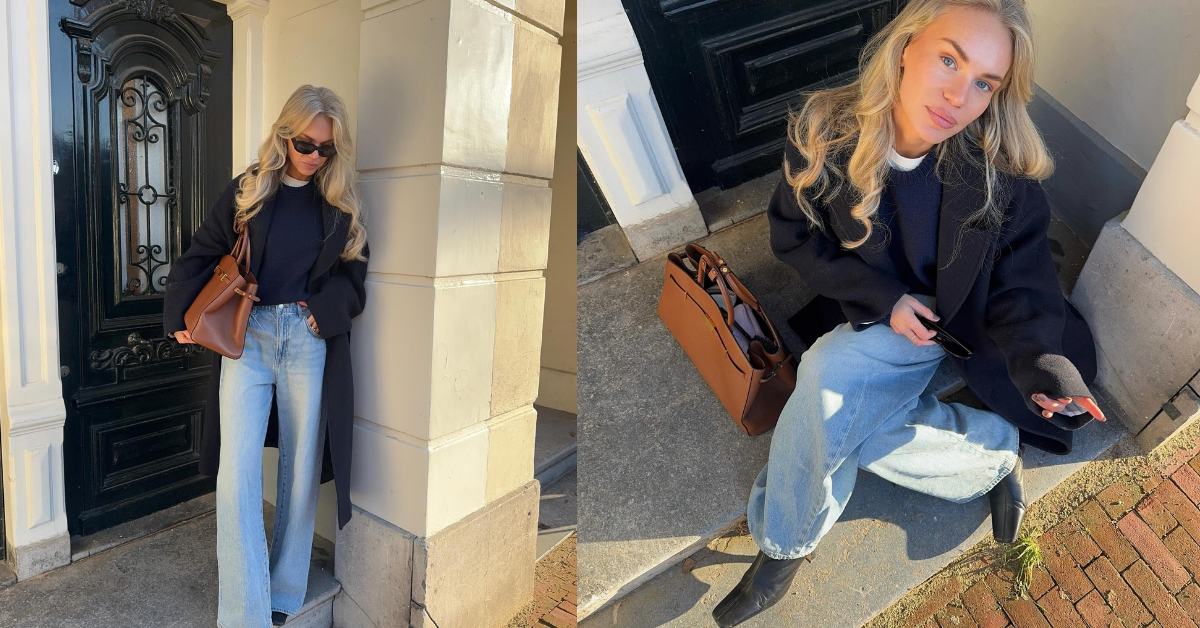
If you only ever buy one designer item in your entire life, make it a high-quality winter coat. I am absolutely serious about this. A beautiful, perfectly tailored coat in a neutral color – like camel, deep navy, or classic black – is the ultimate fashion cheat code.
Here is why it works. When it is freezing outside, your coat is your entire outfit. Nobody sees the shirt you have on underneath. Nobody sees if your pants are wrinkled. You could literally be wearing your oldest, most faded pajamas under there. But if you have a stunning, heavy wool coat thrown over your shoulders, you look like a CEO. You look like you have a trust fund. It is magic.
Me and my sister were talking about this last winter. We were walking downtown and it was freezing. She had on this cheap, synthetic puffer jacket that she had just bought from a fast-fashion place, and she was shivering. I was wearing this vintage wool coat I had saved up for months to buy. Not only was I completely warm, but the way the heavy fabric draped just made me walk a little taller. The stitching on a designer coat, the quality of the lining, the way the collar stands up – you just cannot fake that. When you buy a good one, you will wear it for ten years. That is girl math at its finest.
—
2. Solid Fine Jewelry (Skip the Designer Logos!)
Okay, we need to have a very serious intervention about designer jewelry. Please, I am begging you, stop paying six hundred dollars for brass rings and necklaces just because they have a luxury logo on them. It is the biggest scam in the fashion industry.
I learned this lesson the hard way. A few years ago, I bought this trendy designer ring. It had the brand’s logo all over it, and I felt so cool wearing it. Fast forward exactly three weeks later. I was washing my hands at a restaurant, looked down, and my finger was literally turning green. The gold plating had rubbed completely off, revealing cheap, smelly brass underneath. I was so embarrassed. I paid hundreds of dollars to look like I got my jewelry from a vending machine.
Instead of buying costume jewelry from luxury clothing brands, take that exact same amount of money and go to a real jeweler. Buy a solid 14k gold chain. Buy real silver hoops. When I go visit my family back on the rez, my Auntie always wears these incredible, heavy silver and genuine turquoise cuffs. She has had them since the 1980s. They never tarnish, they never turn her skin green, and they hold their value forever. That is true luxury. When you buy solid metals, you are actually investing in an asset. Plus, you can shower in them without panicking!
—
3. The Classic Leather Loafer or Boot
Footwear is another category where spending a little extra actually makes sense, but you have to be smart about the style. Do not spend designer money on super trendy sneakers that will look outdated in six months. And definitely don’t spend it on crazy, neon-colored heels that you can only wear to one very specific type of party.
You want to invest in a shoe that you can wear multiple times a week. For me, that is a classic, chunky black leather loafer or a sleek leather ankle boot. When you buy a high-end leather shoe, the difference in comfort is insane. Cheap shoes will give you blisters and ruin your posture. A good designer leather shoe will actually mold to the shape of your foot over time.
You also have to think about repairability. A real leather shoe can be taken to a cobbler. If the heel wears down, they can replace it. If the leather gets scuffed, they can polish and condition it back to life. You are buying a shoe that is meant to be maintained, not thrown in the trash after one season. Just make sure you pick a style with minimal hardware and a shape that has been around for decades.
—
4. The “Workhorse” Everyday Leather Bag
We already talked a little bit about bags in a previous chat, but we need to revisit it from a pure usability standpoint. A designer bag is only worth the money if you actually use it. A tiny, crystal-covered clutch that sits in its dust bag 364 days a year is a waste of money. You need a workhorse.
When you are looking for an everyday bag, you need to look at the materials. Avoid canvas bags that have luxury price tags. Canvas is just cotton, babe. Do not pay two thousand dollars for cotton. You want thick, durable, pebbled leather. Pebbled leather hides scratches beautifully and can take a serious beating.
I have this one black leather tote bag that I bought three years ago. I use it for literally everything. I shove my laptop in there, my water bottle, my makeup bag, and sometimes half my groceries when I forget my reusable bags. It has been caught in rainstorms and dropped on the floor of my car more times than I can count. Because it is incredibly well-made, it still looks brand new. The straps haven’t frayed, and the stitching is perfect. That is when a designer price tag is actually justified. It makes your daily routine easier.
—
5. A Signature Designer Fragrance
This might surprise you, but perfume is honestly one of the best ways to get into the designer world. A lot of people overlook it because you can’t “see” it on an outfit, but it changes your entire presence.
When you buy a cheap body spray, the scent disappears in an hour, right? But when you invest in a high-end designer or niche “Eau de Parfum”, the oils are so concentrated that one spray will literally last all day. It sinks into your skin and your clothes. Have you ever hugged someone and they just smelled incredibly expensive? That is the power of a good fragrance.
I finally found my signature scent last year. It has these warm, woody notes with a tiny hint of vanilla. Every time I put it on, even if I am just wearing sweatpants to go get a bagel, I feel sophisticated. People stop me and ask what I am wearing all the time. A single bottle usually lasts me almost a full year because I only need two sprays. If you break down the cost per day, it is basically pennies. It is the most affordable way to wear a luxury brand every single day.
—
The “Please Skip It” List (Save Your Money!)
Okay, we talked about what to buy. Now we have to talk about what to run away from. Because there are a lot of things out there that are just pure hype and will leave you feeling completely ripped off.
First on the chopping block: Designer cotton t-shirts. I do not care how cool the logo looks. It is a cotton t-shirt. You are paying four hundred dollars for the exact same material you can buy in a three-pack at a big box store. They will shrink in the wash. The collar will get weird and wavy. Just don’t do it. Buy a nice, thick, blank t-shirt for thirty bucks and call it a day.
Second: Trendy sunglasses. Remember those tiny, microscopic sunglasses everyone was wearing a few years ago? The ones that didn’t even block the sun? Yeah, exactly. Sunglasses trends move way too fast. Buy a classic shape – like an aviator or a subtle cat-eye – if you really want to spend the money. Otherwise, stick to mid-range brands that won’t make you cry if you accidentally sit on them in your car.
Third: Anything made of clear plastic. I cannot believe we ever let luxury brands convince us to buy clear plastic bags and shoes. Plastic turns yellow over time. It scratches easily. It makes your feet sweat horribly. It is cheap material masquerading as high fashion. We are not doing that anymore.
Just a little note - some of the links on here may be affiliate links, which means I might earn a small commission if you decide to shop through them (at no extra cost to you!). I only post content which I'm truly enthusiastic about and would suggest to others.
And as you know, I seriously love seeing your takes on the looks and ideas on here - that means the world to me! If you recreate something, please share it here in the comments or feel free to send me a pic. I'm always excited to meet y'all! ✨🤍
Xoxo Dana