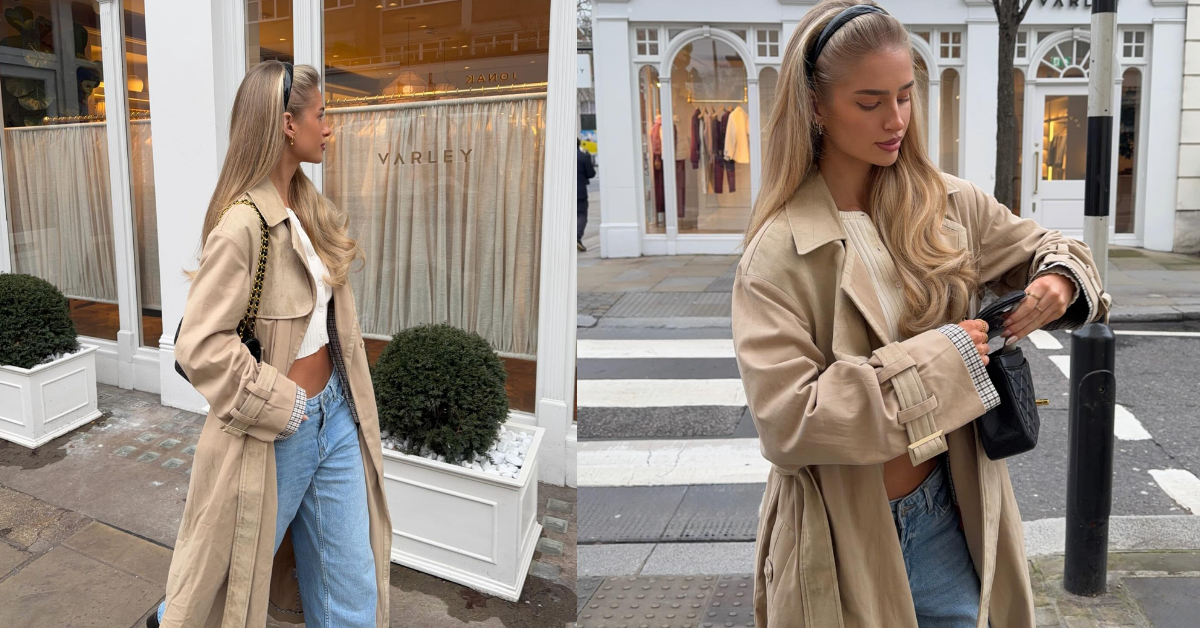
I have been thinking so much about this topic lately. It has literally been keeping me awake at night because the fashion world is shifting so fast right now. We really need to talk about Chanel.
Specifically, we need to talk about whether dropping an absolute fortune on a Chanel bag in 2026 is actually still a smart move, or if modern luxury brands are completely taking over.
I know we all grew up idolizing that classic double C logo. It was the ultimate dream, right? But things have changed. A lot. And since we are all out here working hard for our money, we need to make sure we are spending it on things that actually hold value and make us feel amazing. So I did a massive deep dive for us.
—
The Elephant in the Room: Those Wild Price Hikes
Okay, first we have to address the absolute madness that is Chanel’s pricing strategy over the last few years. If you haven’t looked at their website recently, you might want to sit down. A medium Classic Flap bag is now creeping up to a price tag that could literally buy you a very decent used car. It is wild.
I was talking about this with my older sister just last week when we were visiting our family back on the rez. We were sitting on the porch, eating my auntie’s amazing frybread, and just scrolling through fashion sites on our phones. My sister showed me the current price of a basic black mini flap, and my jaw actually dropped. I remember when that same bag was maybe three thousand dollars. Now? It is nearly triple. I looked at her and said, “Sis, for that kind of money, this bag better do my taxes and cook me dinner.”
The brand claims these price increases are just to account for inflation and to keep the brand super exclusive. They want to be on the exact same level as Hermès. But when a brand raises their prices by like fifty percent in just a few years, you have to stop and ask yourself if the quality is actually increasing too. Spoiler alert – it really isn’t. And that is where the whole debate starts.
—
Quality Check: Is it Still the Best of the Best?
So, let’s talk about the actual physical bags you get today. If you are paying ten thousand dollars for a purse, it should be flawless. It should be the most beautiful, durable, perfectly stitched piece of art you have ever seen.
But a lot of people in the luxury community are noticing that the quality just isn’t what it used to be. My grandma always taught me how to spot good craftsmanship because she does the most beautiful, intricate beadwork and leatherwork you will ever see. She always told me to look at the stitching and feel the weight of the materials. When you hold a brand new Chanel bag today, something sometimes feels just a little bit off. The caviar leather can feel a bit plasticky and stiff. The stitching isn’t always perfectly straight. And the biggest heartbreak of all? They stopped using real 24k gold plating on their hardware years ago. So the gold chains on the new bags can actually tarnish and chip over time.
If I am spending that much money, I want gold that stays gold. You know what I mean? It is so frustrating to feel like you are paying double the price for half the quality. You are really just paying for that little interlocking C logo on the front.
—
The Rise of Modern Luxury: Stealth Wealth
This is where things get really interesting. Because while Chanel is pricing everyone out, a whole new wave of modern luxury brands has stepped up to fill the gap. We are talking about brands like Loewe, Bottega Veneta, The Row, and Khaite. These brands are mastering what everyone calls “stealth wealth” or quiet luxury.
These modern brands aren’t slapping giant logos all over everything. Instead, they are pouring all of their money and effort into insane, top-tier craftsmanship. Have you ever touched a Bottega Veneta Jodie bag? The woven leather is so buttery soft it literally feels like a cloud. Or the Loewe Puzzle bag – the way they cut and stitch those geometric leather pieces together is pure genius. They are creating wearable art.
And the best part? While they are definitely still expensive, they are usually half the price of a new Chanel bag. You can get an absolutely stunning, handcrafted leather bag from Loewe for around three thousand dollars. It is still a huge investment, absolutely. But it feels so much more justified when you can actually see and feel the incredible quality of the materials.
—
The Boutique Experience: Old School vs New School
There is also something to be said about how these brands actually treat you when you walk into their stores. Buying a luxury bag should be a really fun, special experience. It should feel like a celebration.
I have to tell you this quick story because it honestly changed my whole perspective. A couple of months ago, I was downtown and decided to browse some boutiques. I was wearing my favorite baggy jeans, a vintage oversized graphic tee, and some sneakers. Very casual, very comfy. I walked into the Chanel boutique just to look at a wallet. The security guard stared me down, and the sales associates completely ignored me. I walked around for ten minutes and nobody even said hello. I felt so awkward and out of place that I just left.
Then, I walked right across the street into the Loewe boutique. The difference was night and day! The associate came right up to me with a huge smile, offered me a sparkling water, and spent twenty minutes showing me different ways to style their new bags. She didn’t care that I was wearing sneakers and a t-shirt. She was just passionate about the brand and wanted to share it with me. When you are spending thousands of dollars, that kind of respect and kindness matters so much. Modern luxury brands seem to understand that their customers are younger, cooler, and don’t want to deal with old-school snobbery.
—
Resale Value: The Ultimate Girl Math
Okay, we can’t talk about bags without talking about resale value. This is where Chanel still holds a really strong card. Because they keep raising their retail prices, the value of pre-owned Chanel bags stays really high. If you buy a classic black flap bag today, you will probably be able to sell it for close to what you paid in five years. It is a very safe place to park your money if you stick to the classic styles and colors.
But the modern luxury brands are catching up! Bottega and Loewe are holding their value incredibly well on the resale market right now because they are so popular. People want them. Will a Loewe bag double in value in ten years? Probably not. But it won’t drop to zero either. You will still get a really solid return on your investment if you take good care of it.
So the math really comes down to this: Do you want to spend ten thousand dollars to guarantee a safe resale value later? Or do you want to spend three thousand dollars on a modern brand, get better leather quality, and just enjoy the bag without stressing about scratching it?
—
Actionable Steps: What Should You Actually Buy?
Alright babe, let’s make this super practical. If you are sitting on some savings and you want to treat yourself to a luxury bag this year, how do you actually choose between classic Chanel and modern luxury? Here is the game plan I use for myself and all my friends.
Step 1: Figure out your personal aesthetic.
Look at your closet right now. Are you someone who loves very classic, tailored outfits? Do you love pearls, tweed, and a very structured look? Then Chanel is probably always going to have your heart. But if you dress a little more relaxed, if you love oversized blazers, slouchy trousers, and a more artsy, effortless vibe, you should definitely lean toward Loewe or Bottega. Their shapes just fit that modern, cool-girl aesthetic so perfectly.
Step 2: If you want Chanel, go vintage!
Seriously, do not buy a brand new Chanel bag straight from the boutique right now. The prices are just too high for what you get. Instead, go on reputable resale sites and look for vintage Chanel bags from the 1990s or early 2000s. The leather from back then is so much thicker and more durable. Plus, those older bags have the real 24k gold plated hardware! You get a way better quality bag for thousands of dollars less. It is the ultimate style hack.
Step 3: Go touch the bags in person.
Never buy a huge investment piece purely based on photos you saw on Instagram. You have to go to the store and touch the leather. Pick the bag up. Put your phone and your keys inside it to see if it actually fits your stuff. Put it on your shoulder and see if the strap digs in.
Step 4: Stick to neutral colors for big investments.
I know that bright neon green Bottega bag looks so fun, but trust me on this. If you are spending over a thousand dollars, buy it in black, tan, chocolate brown, or a soft beige. You want a color that you can wear every single day, in any season, with any outfit. If you want a fun, crazy color, buy a cheaper bag from a contemporary brand.
Just a little note - some of the links on here may be affiliate links, which means I might earn a small commission if you decide to shop through them (at no extra cost to you!). I only post content which I'm truly enthusiastic about and would suggest to others.
And as you know, I seriously love seeing your takes on the looks and ideas on here - that means the world to me! If you recreate something, please share it here in the comments or feel free to send me a pic. I'm always excited to meet y'all! ✨🤍
Xoxo Dana