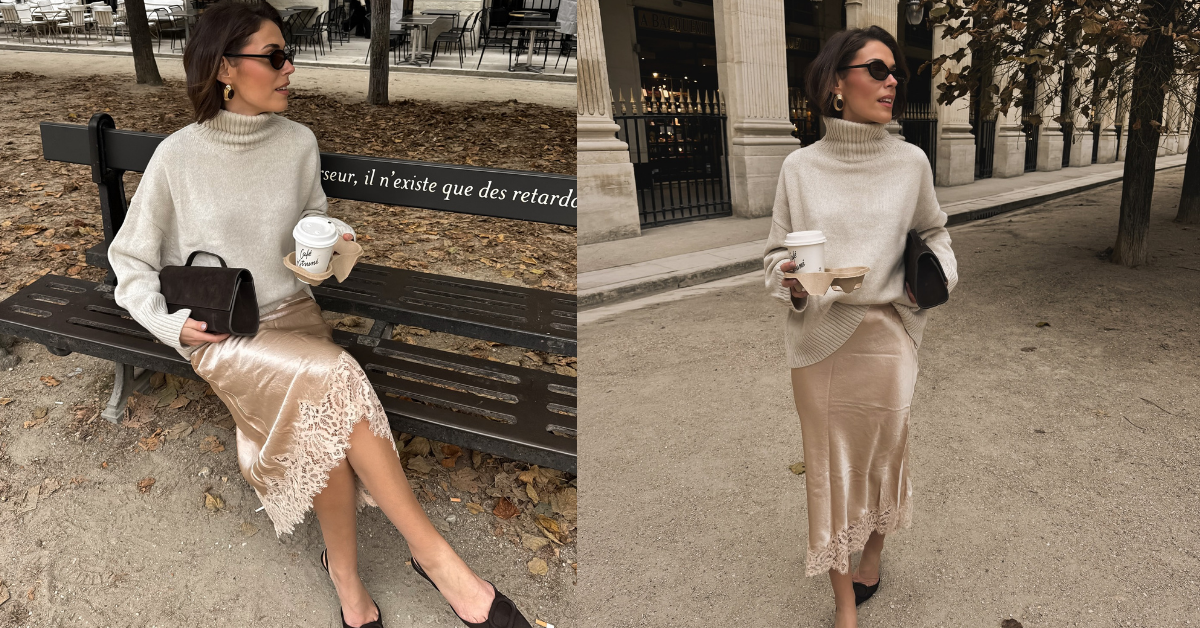
Luxury has shifted in the last couple of years. Not because people suddenly stopped liking beautiful things, but because the deal changed: prices climbed, quality expectations got louder, and a lot of shoppers started asking a simple question:
“Am I paying for the thing, or am I paying for the moment?”
That’s the heart of an anti-haul. It’s not “never buy luxury.” It’s “stop buying the parts that don’t age well, don’t wear well, or don’t make sense for your life.”
And right now, even the big groups are dealing with demand that’s more cautious and selective. Industry reporting points to shopper fatigue, slower growth, and more sensitivity around price increases, especially among aspirational buyers.
This won’t work if you actually love novelty and you treat fashion like entertainment. In that case, an anti-haul will feel like a diet. The goal here isn’t purity. It’s fewer regrets.
The quick anti-haul list (for skimmers)
Here are the things stylish women are quietly skipping more often, and why:
- Loud logo pieces that do all the talking: they date faster and can feel “try-hard” depending on the room. Logos didn’t disappear, but the way people use them changed.
- Micro bags that don’t fit real life: practicality has been trending harder again, including bigger, functional bag shapes.
- “Aspirational” buys after repeated price hikes: price increases have hit a ceiling and are affecting demand, especially for aspirational shoppers.
- Shoes you can’t walk in: the cost-per-wear math fails if you avoid them.
- Dry-clean-only, high-maintenance fabrics for everyday: if you dread caring for it, you won’t wear it.
- Seasonal “It items” as your first luxury purchase: more regret, less wardrobe integration.
- Brand-new when the secondhand market offers better value: resale is growing fast, and many shoppers buy secondhand for affordability and access.
If you only do one thing: buy luxury the way you buy a great haircut. You want it to look good for a long time, not just on day one.
Why “anti-haul” is happening now (the real context)
A few forces are colliding:
- Luxury shoppers are more discerning. Growth drivers have slowed and demand has become more selective in key markets, with brands needing to prove value more clearly.
- Price increases pushed some people out. Several analyses point to aspirational shoppers pulling back as higher prices change what feels “worth it.”
- Resale is normal now, not niche. Consulting research highlights secondhand growing faster than firsthand, and a lot of shoppers citing affordability as a main reason.
- The vibe shifted. In some markets (notably China), reporting describes a move away from conspicuous consumption and toward “quiet quality” or domestic “local hero” brands, driven by economic and social signals.
So the anti-haul isn’t moral. It’s practical.
The decision framework: how to spot a “regret purchase” before you make it
Use these 5 filters. If an item fails 2 or more, pause.
1) Room test
Where will you actually wear it? Work? school pickup? dinners? travel?
If you can’t name 3 real scenarios, it’s probably a fantasy buy.
2) Outfit math
Can you style it with at least 5 outfits you already own without buying more things?
3) Comfort and friction
Does it require special behavior? (Holding it carefully, walking differently, constant adjusting.)
High-friction luxury becomes closet art.
4) Durability and maintenance
Will it show wear in a way that will bother you? Can it be serviced? (Especially for bags.)
5) Price-to-love ratio
Are you buying it because you love it, or because it represents “I made it”? Those are different feelings.
I usually tell people this: the most stylish wardrobes are built on repeatable, boring wins. One great coat and one great bag you use constantly will do more than five “statement” items you tiptoe around.
What stylish women don’t buy anymore (and what they buy instead)
1) Loud logo items as a default personality
Why it’s fading: Logos didn’t die, but there’s real fatigue with “billboard” branding, and the cultural read can change fast depending on trends and economic mood.
What they do instead
- Logos in small doses (a belt, a subtle hardware cue)
- Or the “insider logo”: shape, leather quality, color, stitching, not a giant print
Exception that still makes sense: if a logo piece is a genuine classic you wear weekly and it fits your style, keep it. Anti-haul is not anti-joy.
2) Micro bags that can’t handle modern life
Why it’s fading: Runway and editorial coverage has leaned more practical again, with larger and more functional bag shapes pushing back against tiny “Instagram-only” bags.
What they do instead
- Medium bags that fit: phone, keys, card case, sunglasses, a small pouch
- Soft, slouchy shapes or structured “doctor bag” inspired silhouettes (still polished, more functional)
Trade-off with no perfect solution: bigger bags are more useful, but they invite you to carry more. If you hate shoulder strain, you may never love a tote.
3) “Aspirational” purchases after relentless price hikes
Why it’s fading: Multiple industry sources note that price increases have reached a ceiling and are impacting demand, especially among aspirational shoppers.
When a brand raises prices faster than your emotional attachment grows, your brain starts comparing it to alternatives: contemporary brands, resale, or simply not buying.
What they do instead
- Buy fewer pieces, but buy the right category (outerwear, bags you carry daily, shoes you can walk in)
- Consider “affordable luxury” labels for trend experimentation, saving true luxury for forever items (this shows up in recent reporting on shopper trade-down behavior)
A subtle tell: stylish women don’t want to feel like they got played. They’ll pay, but they want the purchase to feel defensible.
4) Trend pieces that scream a specific year
Why it’s fading: The luxury market is in a more cautious phase overall, with brands experimenting to re-ignite excitement, but shoppers often respond best to pieces that integrate into real wardrobes.
What they do instead
- Choose one “trend lane” per season, not five
- Borrow the trend as a silhouette, not the loudest version of it
This is optional. Skip it if… you already have a personal uniform that works. If your closet is strong, trends are decoration, not a requirement.
5) Shoes that are beautiful but basically unusable
Why it’s fading: Comfort expectations rose, and the “wear your pain as status” vibe doesn’t land like it used to.
What they do instead
- Loafers, refined flats, low heels you can actually move in
- Sneakers, but the sleek kind that don’t look like you’re headed to the gym
Quick test in the store: if you can’t walk briskly for 5 minutes in them, they’re not a real wardrobe item.
6) High-maintenance fabrics for everyday basics
Why it’s fading: You’re busy. If a blouse needs constant babying, you will not reach for it.
What they do instead
- Better versions of easy fabrics: dense cotton, quality knits, structured wool blends
- Pieces that can handle repeat wear
This is where quiet luxury becomes real: not “expensive,” just easy to live with.
7) “New only” when resale gives better value
Why it’s fading: Secondhand luxury has grown quickly and is now a mainstream channel. Consulting research highlights resale growing faster than firsthand, and many shoppers turning to it for affordability and access.
Separate reporting also points to strong demand for certain classic items in resale data.
What they do instead
- Buy classics secondhand (especially bags)
- Buy new when you care about: perfect condition, warranty/service pathway, gifting, or hygiene categories
Anti-scam reminder: resale only works if you use reputable authentication and know return policies. “Too good to be true” is usually exactly that.
8) Conspicuous status buys in markets where it reads poorly
Why it’s fading: In China specifically, recent reporting describes a “luxury-phobia” shift away from conspicuous consumption, with more interest in domestic brands and “quiet quality,” influenced by economic pressure and social signaling.
What they do instead
- Understated, high-quality pieces
- Or culturally resonant local brands (the point is: signaling changes, and smart shoppers adapt)
Even if you’re not shopping in China, the broader lesson holds: what looks stylish is partly about the social moment.
The anti-haul shopping list: what to buy instead (a smarter “yes” list)
If you want luxury that keeps earning its place, these categories tend to win:
- Outerwear: coats, blazers, leather jackets (high cost-per-wear payoff)
- Bags you actually carry: medium, functional, comfortable straps
- Everyday jewelry: simple pieces you never take off
- Knitwear: if you’ll care for it and actually wear it weekly
- Tailoring: trousers that fit and flatter, because fit reads expensive
And if you want a very simple rule: prioritize items that still look good slightly worn. That’s the secret difference between “timeless” and “fussy.”
Common anti-haul mistakes (and quick fixes)
- You confuse “classic” with “safe.”
Fix: classic should still feel like you. If it doesn’t, you won’t wear it. - You buy the accessory before the wardrobe.
Fix: build a strong base first (coat, trousers, knitwear). Then accessories land better. - You over-index on trends because you’re bored.
Fix: change one thing (shoe silhouette, bag shape, color), not your whole identity. - You assume expensive means durable.
Fix: check materials and construction. Price is not a quality guarantee. - You ignore the economic mood.
Fix: you don’t have to dress for other people, but it helps to know how things read in 2026, when “value” and restraint are louder themes in luxury coverage.
A mini anti-haul checklist you can screenshot
Before you buy, ask:
- Will I wear this 20 times in the next year?
- Does it work with 5 outfits I already own?
- Can I walk, sit, and move normally?
- Will I resent caring for it?
- If I saw it on resale for 30% less, would I still want it just as much?
If the answers feel shaky, it’s probably not a “forever yes.”
Just a little note - some of the links on here may be affiliate links, which means I might earn a small commission if you decide to shop through them (at no extra cost to you!). I only post content which I'm truly enthusiastic about and would suggest to others.
And as you know, I seriously love seeing your takes on the looks and ideas on here - that means the world to me! If you recreate something, please share it here in the comments or feel free to send me a pic. I'm always excited to meet y'all! ✨🤍
Xoxo Dana