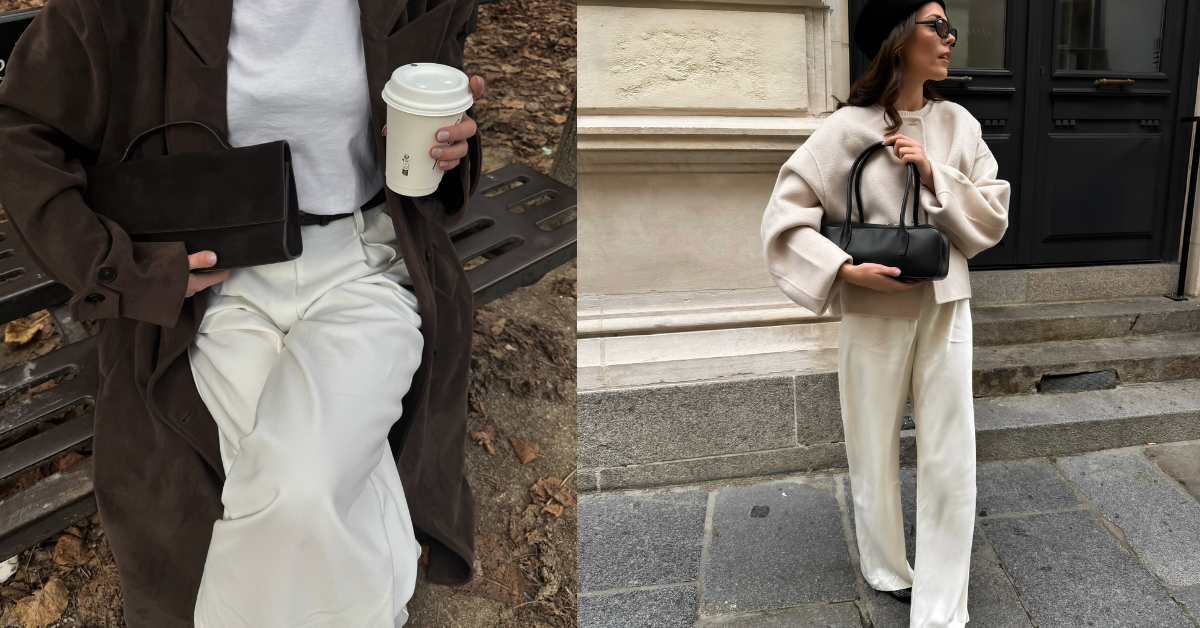
You already know the obvious stuff: buy better fabrics, avoid loud logos, choose classic silhouettes. And yet you’ve probably seen it happen in real life: two people wear almost the same outfit, but one looks quietly polished and the other looks… fine.
That gap usually has nothing to do with price. It’s the invisible details: fit decisions you can’t point to at first glance, fabric behavior that reads “quality” from across the room, and small grooming and maintenance moves that signal care.
The best part is you can copy most of these details without rebuilding your whole wardrobe. The hard part is that they’re not exciting. They’re the unsexy steps that make the exciting clothes actually land.
Here’s a framework you can use every morning: what to check, what to fix, and what to stop doing if you want your outfits to look more expensive in a realistic, repeatable way.
Quick answer for skimmers
- Fit beats brand every time. One clean alteration can upgrade a cheap piece more than a new “better” piece.
- Your outfit reads “expensive” at the edges: collar, cuffs, hems, waistline, shoes, bag, hair. That’s where the eye goes.
- Crispness is a luxury signal. Wrinkles, lint, and pilling make even great clothes look tired.
- Choose fabrics that drape, not cling. Dense weaves and natural fibers tend to hold shape and look smoother over time.
- Shoes are the giveaway. Clean, maintained shoes instantly lift basic outfits, and polishing protects leather too.
- Color cohesion matters more than color trends. Fewer tones, fewer competing undertones, fewer “almost matches.”
- Hardware and fastenings quietly tell the truth: zippers, buttons, buckles. Cheap hardware makes the whole look feel cheap.
If you only do one thing: before you leave, do a 20-second “edge scan” (collar, sleeves, hem, shoes). Fix just one edge and you’ll look more put-together immediately.
The decision framework: how expensive-looking outfits are built
1) Expensive-looking outfits have one clear silhouette
Not five ideas at once. One idea.
Pick one:
- Long and lean (long coat, straight leg, sleek shoe)
- Structured top, relaxed bottom (blazer, wide leg)
- Relaxed top, structured bottom (knit, tailored trouser)
- Balanced (straight top, straight bottom)
If your silhouette is clear, even affordable items look intentional.
2) Expensive-looking outfits use restraint where it counts
Restraint is not “boring.” It’s letting one thing be the hero and keeping everything else quiet.
Good restraint examples:
- Interesting texture, simple shape
- Sharp tailoring, plain color
- Clean monochrome, interesting shoe
3) Expensive-looking outfits are maintained, not just purchased
This is where most people lose it. Care is the invisible ingredient.
Washing less, airing out garments, and spot-treating when possible can help preserve color and shape over time.
This won’t work if you treat your wardrobe like disposable laundry. If everything gets hot-washed, tumble-dried, and stuffed in a drawer, even good pieces will look worn fast.
The invisible details, ranked by impact
1) Fit micro-decisions (the part tailoring fixes)
Fit is not “tight vs loose.” Fit is alignment.
Do these quick checks in a mirror:
- Shoulder seam sits at your shoulder bone (not drooping down the arm).
- Waistline sits where your body naturally narrows (not sliding down or cutting awkwardly).
- Sleeves end cleanly (not swallowing your hands).
- Pants break once or twice (or are intentionally cropped) but not puddling.
A key reality: tailoring less expensive pieces can make them look more upscale because they look like they were made for you.
High-impact, low-cost alterations:
- Hem pants and jeans
- Take in waist gap in trousers
- Shorten sleeves on blazers
- Replace cheap plastic buttons on a coat (if the coat fabric is decent)
A human truth: tailoring is an annoying errand. But it’s also the fastest cheat code I know.
2) The “edge scan” (collar, cuffs, hems, waistband)
Most outfits look expensive at a distance and messy up close. The fix is edges.
Before you leave:
- Collar lies flat (no bacon curl)
- Cuffs are even (no stretched knit wrists)
- Hem is crisp (no loose threads)
- Waistband sits smooth (no bunching, no twisted belt loops)
If one edge is off, the whole outfit reads “I threw this on,” even if you didn’t.
3) Fabric behavior: drape, density, and shine
People think expensive means “soft.” Often it means stable.
What tends to read expensive:
- Fabrics that hang rather than cling
- Fabrics that don’t go shiny in stress points (knees, elbows)
- Fabrics with dense weaves and clean finishing
A practical lens from durability guidance: material choice and construction details are big indicators of how a garment will hold up and keep its appearance.
Easy rule: if it shows every underlayer seam, it rarely looks expensive in daylight.
4) Texture control: lint, pilling, and fuzz
This is the unglamorous one, but it matters a lot.
Pilling makes good knits look old fast. Techniques like lint rollers for light pilling and fabric shavers for deeper pilling are commonly recommended.
And removing lint and pills can genuinely make garments look “like new” again.
Your 3 tools:
- Lint roller (daily)
- Fabric shaver (weekly or as needed)
- Small needle and thread (monthly, quick repairs)
This is optional. Skip it if you truly never wear knits, coats, or dark colors. But if you do, this is one of the highest return habits.
5) Shoes: clean, polished, and appropriate
Shoes are where people subconsciously decide whether you’re polished.
Polishing leather shoes is widely recommended not only for appearance, but also for protecting leather and preventing cracking.
There are detailed guides showing how consistent shoe care and shining improve finish and longevity.
The expensive-looking shoe checklist:
- Clean uppers (no dust film)
- Clean soles at the edges
- No frayed laces
- No collapsed heel counters
- If leather: a quick polish when they look dull
The trade-off (no solution): some “expensive-looking” shoes are simply less comfortable, especially when they’re sleek, stiff, or have thin soles. You can mitigate it, but you can’t fully outrun it.
6) Color cohesion and undertones
You don’t need neutrals only. You need coherence.
The “expensive” effect usually comes from:
- 2-3 colors max
- Similar undertones (warm with warm, cool with cool)
- Controlled contrast (either high contrast done cleanly, or low contrast done smoothly)
A fast upgrade: match your shoes to either your pants or your bag. Not perfectly. Just in the same family.
7) Hardware and fastenings
Zippers, buttons, buckles, snaps, and bag hardware are tiny but loud.
Durability and quality checklists often call out hardware and fastenings as signals of better construction.
What to watch:
- Cheap zippers that ripple the fabric
- Buttons that look too shiny or too small
- Belts with flimsy buckles
Small fix: replacing buttons on a coat can be shockingly effective if the coat itself fits and the fabric has weight.
8) The “nothing looks new-new” principle
Expensive outfits rarely look freshly unpacked. They look lived-in, but cared for.
That means:
- Knits look soft, not fuzzy
- Denim looks broken in, not stretched out
- Leather looks conditioned, not scuffed to death
- White pieces look clean, not greyed
This is why garment care matters. Washing less and airing garments can reduce fading and wear over time.
A 5-minute routine that upgrades almost any outfit
The 60-second base
- Pick your silhouette (one idea)
- Choose your 2-3 colors
- Put on your shoes early (it changes the outfit decisions)
The 2-minute “edge scan”
- Collar flat
- Sleeves clean
- Hem tidy
- Waistline smooth
The 2-minute “finish”
- Lint roll (especially dark pieces)
- Quick hair reset (even a simple brush-through)
- Optional: add one structured element (belt, watch, simple earrings)
If your mornings are unpredictable, some of this prep simply won’t stick and that’s fine. The goal isn’t perfection, it’s fewer “why do I look sloppy?” days.
Common mistakes that make outfits look cheaper
- Too many competing “nice” items
A fancy bag + statement shoe + loud jewelry + dramatic coat often reads chaotic, not expensive. - Almost-matching blacks
Black is hard. Mixing faded black with deep black can look accidental. Either fully commit to one black family or break it up with another color. - Over-steaming everything
Some fabrics go shiny or limp with too much heat. Know what your pieces can handle. - Buying “better” instead of altering what you already own
A simple alteration can outperform a new purchase in terms of visual polish. - Ignoring shoes and bags
They take the most wear and they’re the first thing people notice.
Variations: what to focus on based on your style life
If you dress casual most days
- Prioritize: clean sneakers, crisp denim hems, tidy knits
- Make one thing structured (jacket, bag, belt)
If you wear workwear or tailoring
- Prioritize: shoulder fit, sleeve length, pressed trousers
- Keep accessories minimal so the structure reads
If you love color and prints
- Keep the silhouette simple
- Match undertones and keep accessories quiet
- Choose one print per outfit, not three
If you’re on a tight budget
- Spend on: alterations, a fabric shaver, basic shoe care
- Shop for: dense fabrics and clean stitching (even secondhand)
If you hate maintenance
- Avoid: delicate knits, fussy light colors, shoes that scuff easily
- Choose: forgiving fabrics, simple shapes, fewer pieces that need special care
FAQ
What’s the single biggest detail that makes an outfit look expensive?
Fit and proportion. When something looks like it was made for your body, it reads higher quality.
Do I need to wear neutrals to look expensive?
No. You need cohesion: limited colors, aligned undertones, and a clear silhouette.
Why do my knits look cheap even when they weren’t?
Pilling and fuzz. Removing pills and lint can dramatically refresh the surface.
Are polished shoes really that noticeable?
Yes. Polishing improves the finish and also helps protect leather.
How do I make basics look expensive without buying new stuff?
Alter one item (hemming is easiest), fix one edge (collar/cuff/hem), and clean your shoes. That combo is disproportionately effective.
What’s a “quiet luxury” outfit formula that doesn’t feel costume-y?
Straight-leg pants + simple knit + structured outer layer + clean shoes. Keep colors cohesive, and let fabric and fit do the work.
What should I stop doing immediately?
Stop saving your “good pieces” for later. Wearing them regularly helps you learn what actually works, and you’ll build a real uniform instead of a fantasy wardrobe.
Just a little note - some of the links on here may be affiliate links, which means I might earn a small commission if you decide to shop through them (at no extra cost to you!). I only post content which I'm truly enthusiastic about and would suggest to others.
And as you know, I seriously love seeing your takes on the looks and ideas on here - that means the world to me! If you recreate something, please share it here in the comments or feel free to send me a pic. I'm always excited to meet y'all! ✨🤍
Xoxo Dana