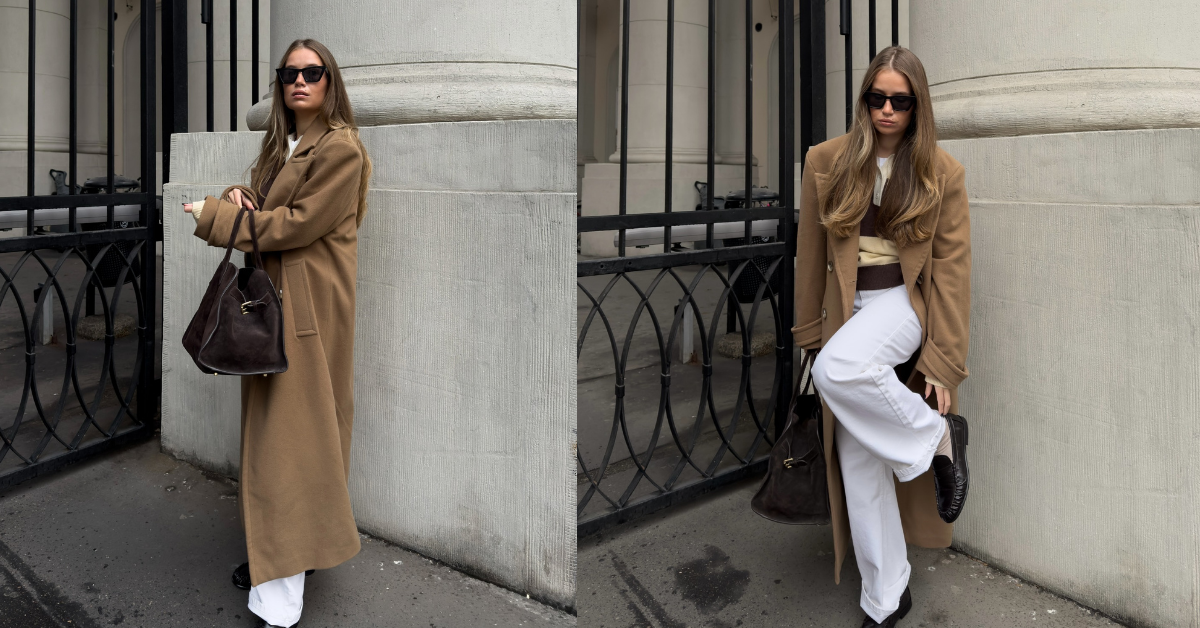
“Expensive” hair usually isn’t complicated hair. It’s hair that looks healthy, intentional, and touchable, even when you did almost nothing that morning.
Most people miss this because they chase the styling (perfect curls, perfect waves, perfect slick-back) instead of building the three boring things that actually create that luxury look:
- a cut that falls into place
- a color that looks rich in normal lighting
- a finish that reads polished, not “done”
Based on current trend reporting, a lot of 2025-2026 hair direction is moving toward soft, wearable shapes (bobs, lobs, long layers) and creamy, natural-looking color that prioritizes health and shine.
This won’t work if your hair is seriously heat-damaged right now and snapping easily. In that case, the “expensive” look starts with repair and gentler styling, not a new cut.
Quick answer (for skimmers)
The luxury hair formula = shape + tone + shine.
Cuts that look expensive with minimal effort
- Blunt bob or blunt lob (clean line, strong shape)
- Long layers with face-framing pieces (movement without fuss)
- Soft fringe or curtain bangs (polished, but forgiving grow-out if done right)
Colors that look expensive
- “Espresso” / dimensional brunette (low contrast, glossy depth)
- Rooted, creamy blonde (soft grow-out, less harsh)
- Subtle tonal gloss between appointments (this is the cheat code for shine)
Finishes that look expensive
- Smooth bend at the ends, not tight curls
- Airy volume at the crown, not crunchy texture
- Shine that looks “sealed,” not oily
If you only do one thing: get a gloss or toner (in-salon or at-home) and stop over-curling. Gloss is one of the fastest ways to make hair look richer and healthier.
The decision framework: how “expensive hair” is built
Think of it as three layers. If you nail Layer 1 and Layer 2, Layer 3 becomes almost optional.
Layer 1: Cut (the shape does the work)
A luxury cut has:
- clean perimeter (the ends look intentional)
- weight placed in the right spot (not stringy, not bulky)
- face framing that suits your features
Layer 2: Color (tone looks rich in daylight)
Expensive color is usually:
- low contrast (not stripey)
- dimensional (depth + light in a controlled way)
- root-friendly (grow-out doesn’t look like a problem at week 3)
Layer 3: Finish (polish without overstyling)
The finish is:
- smooth cuticle, controlled frizz
- soft movement
- healthy shine
I usually tell people to stop chasing “perfect hair days.” Chase “hair that still looks good on day 3.” That’s where the luxury look actually lives.
The cuts that look expensive (and why they work)
1) The blunt bob (or blunt lob)
Why it looks expensive: a blunt line instantly reads “fresh cut.” It looks intentional even when you just air-dried and tucked behind your ears.
Best for
- straight to wavy hair
- anyone who wants style with minimal styling
The key detail to ask for
- “A blunt perimeter with soft internal shaping, not heavy layers.”
This keeps the line clean but prevents helmet hair.
Trend-wise, bobs are still heavily featured, with multiple iterations (sleek, short, graduated).
The trade-off (no perfect solution): blunt bobs can look amazing, but they do show every bit of bend, cowlick, and texture change. That’s part of why they look sharp, but it can also mean more frequent trims.
2) The “expensive lob”
If you want the bob vibe without the commitment, a longer lob stays versatile and tends to be easier to live with. It’s also a major 2026-friendly direction in trend coverage.
Best for
- people who wear hair up sometimes
- wavy hair that needs room to move
- anyone nervous about going short
Ask for
- “A blunt-ish lob with soft face framing and subtle layering, no choppy texture.”
3) Long layers that look like a blowout (even when they’re not)
Long layers can look extremely luxe when they’re done with control. The mistake is going too layered, too thinned out, too “butterfly” without enough density.
Trend reporting still points to long layers as a dominant, wearable option because they build volume and dimension without forcing a dramatic change.
Ask for
- “Long layers with weight kept through the ends.”
- “Face framing starting at cheekbone or jaw, depending on my face.”
Who should be careful
- very fine hair that already looks wispy (too many layers can make it look thinner)
4) Soft fringe or curtain bangs (the polish multiplier)
Bangs can look expensive fast because they frame the face and make your hair look “styled” even when it isn’t.
2025-2026 coverage includes face-framing fringe and curtain-style bangs as ongoing directions.
Ask for
- “Curtain bangs that blend into face framing, long enough to tuck behind my ears.”
This is optional. Skip it if you hate frequent trims, because bangs are basically a maintenance subscription.
The colors that look expensive (without constant upkeep)
The rule: expensive color is usually low-contrast
High contrast can be beautiful, but “expensive” color tends to be blended. It reflects light smoothly and doesn’t look harsh at the root.
1) Dimensional brunette (espresso, smoky brunette, “rich” brunette)
This is the easiest “looks expensive” lane because depth reads glossy and healthy.
Vogue UK explicitly describes espresso brunette as rich, glossy, dimensional, and “expensive brunette.”
Pro color brands also frame dimensional brunette as subtle lift and multi-tonal glow, often staying within a few levels of the base for softness.
Ask for
- “Low-contrast dimension, 2 to 3 levels max from my base.”
- “More depth at the root, softer ribbons through the mid-lengths.”
Avoid
- bright, stripey highlights that sit on top of the hair
2) Rooted, creamy blonde (soft grow-out)
Blonde looks most expensive when it’s not screaming for a root touch-up.
2025 color trend coverage still includes classic blondes and also points to softer, more wearable takes in seasonal trend roundups.
And 2026 trend reporting emphasizes creamy, natural-looking tones and rooted blondes.
Ask for
- “A rooted blonde with creamy mids and ends.”
- “Face-framing brightness, but keep the base soft.”
Reality check: if you’re naturally dark and want very bright blonde, luxury maintenance often means more appointments. There’s no way around that math.
3) The gloss/toner strategy (the shine cheat code)
Gloss is the thing that makes hair look freshly done even when the cut hasn’t changed.
- Elle describes hair gloss as a temporary treatment that coats hair and can improve shade and shine.
- L’Oréal Professionnel also frames hair gloss as smoothing, conditioning, and shine-boosting, with semi-permanent results.
How to use it for “expensive hair”
- Brunette: gloss for depth and shine, reduce brassiness
- Blonde: toner/gloss to keep it creamy, reduce yellow
- Red/copper: gloss to keep it rich, reduce fading
What to ask for in the salon
- “A gloss/toner for shine and tone, not a big color change.”
The finishes that look expensive (without overstyling)
The goal: controlled movement, not “styled hair”
Luxury finishing is more like tailoring: subtle, clean, and intentional.
Finish #1: The soft bend
Instead of curling the whole head, focus on the last 2 to 3 inches:
- blow-dry with tension
- add one quick bend at the ends (or a large-barrel pass)
This looks polished and modern, and it grows out nicely through the day.
Finish #2: The smooth, sealed cuticle
Shine is mostly about cuticle behavior. Overstyling roughs it up.
Dermatologists explicitly recommend limiting heat, using lower settings, and using a heat protectant to reduce damage.
There’s also published research showing hair surface damage increases as heat rises, including in blow-drying conditions.
The expensive-hair blow-dry that doesn’t fry your hair
- towel-dry gently (no aggressive rubbing)
- apply heat protectant
- dry roots first, then lengths
- keep the dryer moving and don’t “camp” in one spot
- finish with a cool shot if you have it
Finish #3: The “clean hairline” effect
This is small, but it’s huge:
- smooth flyaways at the part and temples
- brush baby hairs softly, not glued down
- a tiny amount of lightweight serum on the ends only
If your hair gets oily quickly, keep shine products away from the scalp. The expensive look is glossy lengths, not greasy roots.
Common mistakes that make hair look less expensive (and fixes)
Mistake 1: Too much texture spray
It can look dry, dusty, and dated fast.
Fix: use texture only where you need grip (crown, mid-lengths), not all over.
Mistake 2: Over-layering fine hair
This creates stringy ends.
Fix: keep weight in the perimeter, do fewer layers.
Mistake 3: Bright highlights with harsh lines
This reads “salon in 2016,” not “quiet luxury now.”
Fix: ask for low contrast, blended ribbons, and a root shadow.
Mistake 4: Heat-styling daily at high temps
Dermatology guidance is clear: excessive heat can damage hair, so limit it and use protectant.
Fix: pick 2 “hot tool” days per week, and do low-effort styles the rest of the time.
Mistake 5: Skipping trims because your hair is “growing”
Split ends make even expensive color look tired.
Fix: micro-trim schedule (even tiny trims keep the line clean).
“Expensive hair” options by lifestyle
If you want the lowest maintenance
- Cut: blunt lob
- Color: your natural base + gloss
- Finish: air-dry with a smoothing cream, light serum on ends
If your mornings are unpredictable
Do the cut and color work, then live in easy finishes:
- a clean middle part
- tucked behind ears
- soft bend at ends if you have 5 minutes
If your mornings are unpredictable, some of this prep simply won’t stick, and that’s fine. The goal isn’t perfection, it’s fewer bad hair days.
If you have fine hair
- Cut: blunt bob/lob, minimal layers
- Color: avoid overly bright highlights everywhere (they can make hair look thinner)
- Finish: root lift at the crown, keep oils away from roots
If you have thick or curly hair
- Cut: long layers with controlled shape (avoid aggressive thinning that causes frizz)
- Color: dimension looks amazing, but keep contrast soft
- Finish: define curls, then break the cast for softness, shine only on ends
If you color your hair regularly
- Plan gloss/toner touch-ups between major services for tone and shine.
A salon script you can copy-paste
Cut
- “I want a clean perimeter that looks polished without styling.”
- “Please keep weight in the ends. Minimal thinning.”
Color
- “I want low-contrast dimension that looks rich in daylight.”
- “Root-friendly grow-out, nothing stripey.”
Finish
- “I want a smooth, soft finish with movement, not tight curls.”
- “Can you show me a 5-minute version I can repeat?”
FAQ
How do I make my hair look expensive if I don’t color it?
Cut + gloss + finish. A gloss can enhance shine even without a major color change, and it’s commonly used to boost tone and softness.
What’s the most universally “expensive” haircut?
A blunt bob/lob is the fastest way to look polished because the line looks intentional. Bobs are also still a major trend category in 2025-2026 coverage.
Does “expensive hair” require heat styling?
Not daily. Dermatology guidance recommends limiting heat and using low/medium settings with heat protectant to reduce damage.
Is hair gloss the same as hair glaze?
Terminology varies by brand and salon, but major beauty sources describe gloss as a temporary or semi-permanent shine and tone enhancer, often used to improve shade and smoothness.
How often should I trim for the luxury look?
Often enough that the ends look intentional. If the perimeter gets wispy, the “expensive” effect drops fast. (Exact cadence depends on your hair and cut.)
What’s the biggest giveaway that hair is overstyled?
Uniform curls, crunchy texture, and stiff movement. Luxury hair moves.
Just a little note - some of the links on here may be affiliate links, which means I might earn a small commission if you decide to shop through them (at no extra cost to you!). I only post content which I'm truly enthusiastic about and would suggest to others.
And as you know, I seriously love seeing your takes on the looks and ideas on here - that means the world to me! If you recreate something, please share it here in the comments or feel free to send me a pic. I'm always excited to meet y'all! ✨🤍
Xoxo Dana