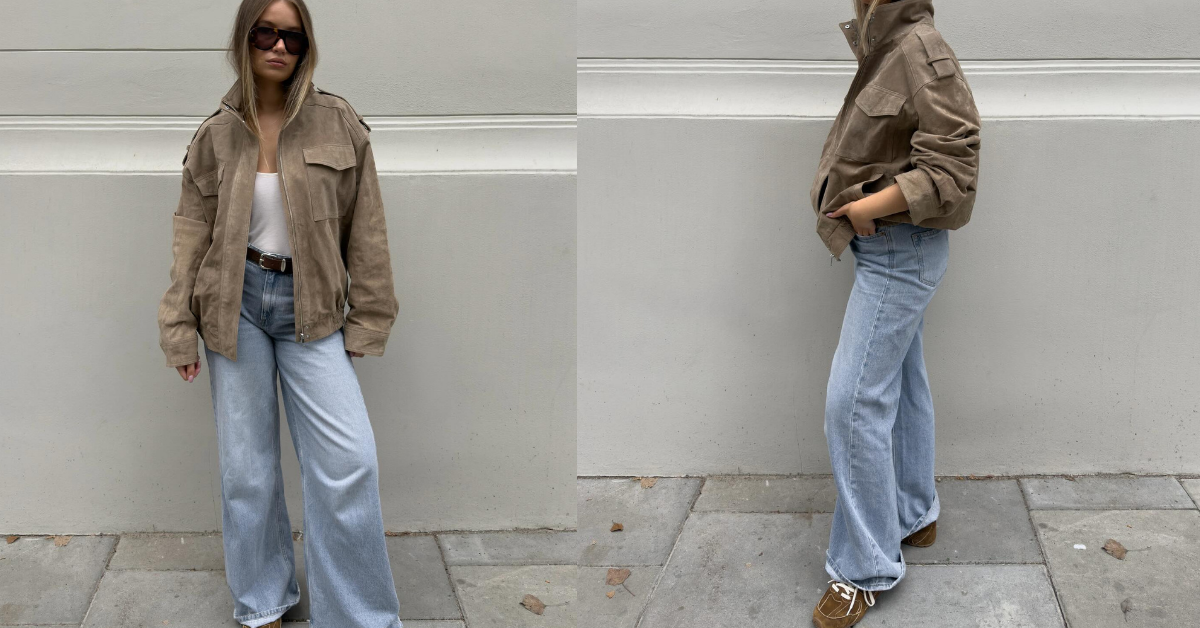
Weddings, dinners, events: one wardrobe that does it all
If you’re dressing for weddings, birthday dinners, work events, charity nights, and the occasional “nice place, nice people” situation, you don’t need a different persona for every invite. You need a small set of pieces that can move up and down the formality scale with simple switches.
Most of the stress comes from trying to guess what everyone else will wear. The calmer approach is: build one dependable “occasion kit” where the base is always polished, and you control the vibe with shoes, jewelry, and one statement layer.
I usually tell people to stop buying “special outfits” that only work once. One good dress, one great blazer, and one pair of shoes you trust will cover more real-life events than a closet full of “maybe” pieces.
This guide gives you:
- a tight wardrobe formula (so you can rewear without it feeling repetitive)
- dress-code decoding for weddings and events
- outfit recipes for dinners and formal nights
- the details that keep you comfortable and confident, not just “appropriately dressed”
Quick answer for skimmers
- Build around 3 elevated bases: a midi dress, a tailored trouser outfit, and a refined skirt outfit.
- Add 2 structure layers: a blazer and an evening-appropriate outer layer.
- Use shoe swaps to control formality: loafer/ankle boot (polished casual), heel/slingback (cocktail), strappy or satin shoe (formal).
- Weddings: follow the couple’s dress code language. Guides from Emily Post Institute and Brides break down what “cocktail,” “formal,” and “black tie optional” typically mean.
- Black is usually acceptable for many weddings now, but context matters (season, culture, venue).
- If you’re unsure, go “one notch dressier” for evening and urban venues.
- Don’t overcomplicate accessories. One focal point is enough.
- Fit and fabric matter more than trend. A tailor solves more problems than another shopping trip.
If you only do one thing: pick a “default” outfit formula you can repeat (same silhouette, different top or accessories). Decision fatigue is the enemy of good occasion dressing.
The decision framework
How to dress for any occasion without owning 12 different outfits
Step 1: Start with a base that’s already grown-up
Your base should look finished even before you add jewelry:
- Midi dress (the easiest one-and-done)
- Tailored trousers + elevated top
- Midi skirt + knit or blouse
These three bases scale up and down cleanly.
Step 2: Add one “authority” piece
This is what makes it feel intentional:
- blazer
- structured jacket
- elegant coat or wrap
Step 3: Set the formality with shoes + bag
Shoes and bag are the strongest signal in the room. You can wear the same dress to a dinner and a wedding if you change these.
This won’t work if the event is extremely specific (white tie, cultural attire requirements, strict temple/church rules). When in doubt, follow the invitation details and venue norms first.
The “one wardrobe” capsule that covers most occasions
Think of this as your occasion toolkit. You can own versions at any budget level.
1) The three base outfits
- A midi dress you genuinely like wearing
- best in a fabric that moves well and doesn’t wrinkle instantly
- A tailored trouser (high rise or mid rise, flat front if you prefer a cleaner line)
- A midi skirt (satin, crepe, or structured jersey) plus a top you can tuck
2) The structure layers
- A blazer that fits your shoulders and closes without pulling
- An evening-appropriate outer layer
Options: a long wool coat, a dressy trench, a wrap, or a minimal cape-like layer
3) The tops that do the work
- A polished knit (fine gauge, not chunky casual)
- A dressy blouse (silk, satin, or a good drapey alternative)
- A sleek tank or shell that layers under the blazer and doesn’t gape
4) Shoes (where your versatility lives)
- Polished flat or low heel (loafer, ballet, refined ankle boot)
- Cocktail shoe (slingback, block heel, or a heel you can actually stand in)
- Formal shoe (more delicate, dressier finish)
5) Bags and finishing pieces
- A small structured bag (clutch or mini shoulder)
Plus: one belt, one set of earrings you love, and one “dress-up” lipstick if that’s your thing.
Clear trade-off (no solution): the more versatile your pieces are (neutral colors, simple shapes), the less “special” they feel in the moment. That’s the price of a wardrobe that works hard.
Dress code decoding that actually helps
Dress codes are messy, but there are consistent baselines.
Wedding dress codes
- Semiformal / cocktail: cocktail dress, dressy separates, or a polished jumpsuit are typically appropriate.
- Formal: generally dressier fabrics, longer hems, and more elevated accessories.
- Black tie optional: men can choose tuxedo or dark suit; women often choose a gown, fancy cocktail dress, or dressy pantsuit.
- Black tie: typically calls for more formal eveningwear.
If the invite is vague, look at:
- venue (country club vs backyard vs ballroom)
- time (day vs night)
- city (urban tends to skew dressier)
Dinner and event language you’ll see
Debrett’s notes that “lounge suit” and similar language often points toward business-like polish, while “smart casual” is more relaxed but still chic.
Translation: if you’d look normal walking into a nice restaurant without feeling underdressed, you’re close.
Outfit recipes you can repeat
These are built from the capsule above. The goal is to make getting dressed boring, in a good way.
1) Wedding guest outfits
Cocktail wedding
- Midi dress + blazer (or structured jacket) + slingback
- Tailored trousers + silky blouse + heel
- Midi skirt + fine knit + heel
Dial it up: metallic bag, statement earring
Dial it down: polished flat, simpler jewelry
Note on black: wearing black to weddings is widely accepted now in many settings, but it’s still smart to consider venue, season, and any cultural expectations.
Formal or black tie optional wedding
- Midi dress in a luxe fabric + dressy heel + small bag
- Jumpsuit or dressy pantsuit + statement earrings + sleek hair
- Long dress if the crowd leans traditional
Brides’ breakdown of “black tie optional” aligns with the idea that women can wear a gown, a fancy cocktail dress, or a dressy pantsuit.
My real opinion: if you own one truly great long dress and you like wearing it, keep it. It turns “formal event panic” into a non-event.
2) Upscale dinners and birthday nights
Your goal here is polished, not overdressed.
- Tailored trousers + knit + blazer + ankle boot
- Midi skirt + fitted top + heel
- Midi dress + coat + simple jewelry
If the restaurant is genuinely fancy, prioritize:
- closed-toe or refined shoe
- structured bag
- a top layer that looks intentional when you’re seated (blazer or jacket)
3) Work events, gallery nights, theater
This is where “quiet authority” wins.
- Tailored trousers + shell + blazer + mid heel
- Midi dress + blazer + minimal jewelry
- Midi skirt + blouse + refined flat
You want to look like you understood the assignment, not like you’re trying to be the main character.
4) Charity nights, galas, black tie moments
Here’s where you stop guessing and follow the code.
Vogue emphasizes that black tie traditionally points to gowns in luxe materials, while also noting that sharply tailored alternatives can work if they carry the same gravitas.
Town & Country also points out that modern black tie can be less rigid than decades ago, but the safest move is still to respect the event’s tone.
Reliable formula:
- Long dress (or very elevated midi) + formal shoe + small bag + strong earring
- Or: sleek jumpsuit + statement neckline/jewelry + formal shoe
The invisible details that make “grown-up” look easy
This is where outfits go from “fine” to “she always looks right.”
Fit that doesn’t fight you
- shoulders sit correctly in blazers
- waistbands lie flat
- hems are clean and intentional
If something almost works, that’s usually a tailoring problem, not a “your body” problem.
Fabric that behaves
Occasion dressing looks expensive when the fabric holds its shape:
- crepe, satin, wool blends, structured knits
- lined pieces that don’t cling
Comfort planning (so you don’t spend the night adjusting)
- choose bras and underwear that match the neckline and fabric
- bring foot comfort insurance (blister patches, foldable flats in the car)
- avoid anything that requires constant tugging
Common mistakes grown women can skip
- Buying an outfit for one photo. You want a wardrobe, not evidence.
- Choosing a dress that only works standing up. Most events are sitting, eating, hugging, dancing.
- Over-accessorizing. One focal point is enough.
- Ignoring outerwear. Your coat is part of the outfit half the year.
- Trying to “look younger” instead of looking intentional. Intentional always reads modern.
How to build this wardrobe without replacing everything
This is optional. Skip it if you already have the basics and just needed outfit formulas.
The “1 in, 1 upgrade” method
Each season, upgrade one category:
- Year 1: blazer and cocktail shoe
- Year 2: midi dress and small bag
- Year 3: formal shoe and evening outerwear
Choose a palette you can remix
Pick:
- 2 neutrals (black + navy, or cream + chocolate)
- 1 accent color (deep green, burgundy, cobalt, blush)
When everything plays together, rewearing looks intentional, not repetitive.
Mini checklists by occasion
Wedding guest
- dress code read
- appropriate hemline and fabric for venue/time
- shoes you can stand in
- small bag
- layer for ceremony/temperature
Upscale dinner
- one structured piece
- polished shoes
- bag that isn’t tired
- quick lint check
Formal event / black tie optional
- elevated fabric
- formal shoe
- small evening bag
- outerwear that matches the level (don’t bring a sporty puffer)
FAQ
Can I wear pants to weddings and formal events?
Yes, in many settings. Brides explicitly includes dressy pantsuits as an option for black tie optional. The key is fabric and styling: it needs to read “occasion,” not “office.”
Is a midi dress always safe?
Usually, yes, especially for cocktail through many formal-leaning events. For true black tie, a floor-length gown is often the safest traditional choice.
Can I wear black to a wedding?
Often yes, but consider the context. Brides notes it’s widely accepted now, with caveats for certain venues, times of day, and cultural traditions.
What shoes work for “upscale casual” dinners?
Polished flats, loafers, ankle boots, or a low heel. Avoid anything that looks athletic. If you’re unsure, err on the side of dressier shoes.
What if I hate heels?
Build a strong polished-flat option: a refined loafer, sleek ballet flat, or dressy flat sandal (weather permitting). Then elevate everything else: fabric, jewelry, bag, hair.
How do I rewear without feeling like I’m in the same outfit?
Keep the silhouette, change the message:
change hairstyle or lip color
swap blazer for wrap or coat
change earrings and bag
switch shoes
Just a little note - some of the links on here may be affiliate links, which means I might earn a small commission if you decide to shop through them (at no extra cost to you!). I only post content which I'm truly enthusiastic about and would suggest to others.
And as you know, I seriously love seeing your takes on the looks and ideas on here - that means the world to me! If you recreate something, please share it here in the comments or feel free to send me a pic. I'm always excited to meet y'all! ✨🤍
Xoxo Dana