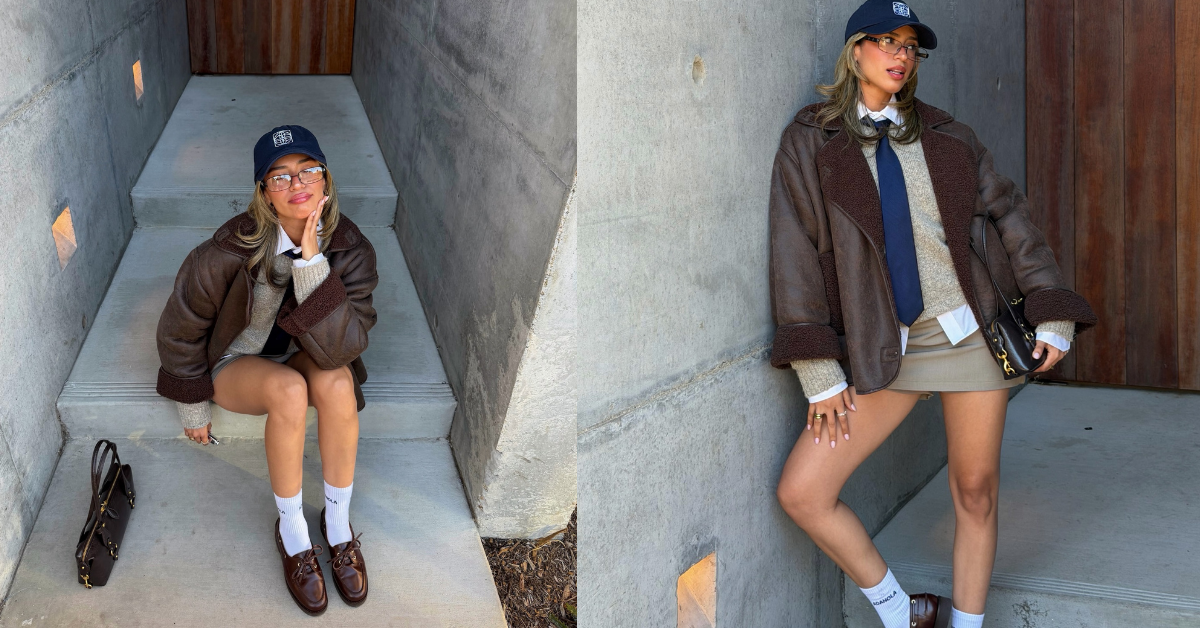
Why expensive wardrobes change less than you think (and how to copy that effect on any budget)
Seasonal dressing is one of those things that looks effortless on people with expensive wardrobes. It’s not because they have a secret color palette or a stylist texting them daily outfit formulas. It’s because their closet is built around a smaller set of “year-round anchors,” and everything seasonal is a light adjustment, not a full reset.
That’s the part most people miss. When you’re still building your wardrobe, you tend to treat each season like a new identity: new colors, new silhouettes, new shoes, new bags, new “this is my era.” Expensive wardrobes usually don’t do that. They rotate a few accents, swap a couple layers, and keep the foundation almost identical.
And right now, this matters more than ever because the luxury market has leaned hard on price increases in recent years, while shoppers have become more value-sensitive and are buying less frequently. McKinsey & Company notes that a large share of luxury growth from 2019 to 2024 came from price increases, and that the industry hit a slowdown heading into 2025. Bain & Company also points to a shrinking consumer base and reduced purchase frequency, with more shoppers trading down, shifting to experiences, or buying preowned.
So this guide is about the real play: how to build a wardrobe that changes less, looks better, and costs less over time.
Quick answer for skimmers
- Expensive wardrobes change less because they rely on repeatable outfits, not constant novelty.
- The “secret” is a strong base: 2-3 bottoms, 2-3 layers, 2 shoes, 1 bag lane, repeated across seasons.
- Seasonal updates should be one of these: color, texture, or outerwear. Not all three at once.
- If you want the expensive effect, prioritize fabric and fit over trend.
- Your “seasonal” items should mostly be layers, not brand-new outfits.
- If you’re buying something “for spring,” it should still work in fall with a different shoe or coat.
- Resale and mid-priced minimal bags are rising for a reason: consumers are increasingly opting for seasonless design over showy trend cycles.
If you only do one thing: build 3 outfits you can wear year-round, then adjust them with one seasonal layer.
The mindset shift: seasons are not wardrobes
Most people do seasonal dressing like this:
- Summer wardrobe
- Fall wardrobe
- Winter wardrobe
- Spring wardrobe
That’s four wardrobes. It’s expensive, it’s cluttery, and it makes getting dressed harder because nothing feels “like you” for long.
A more “expensive wardrobe” way to think is:
- Your wardrobe
- Plus seasonal temperature solutions
Your style stays stable. The temperature changes. Your closet responds with layers.
This won’t work if you live somewhere with extreme weather swings and you spend lots of time outdoors (for example, long winter commutes plus rainy shoulder seasons). In that case, you truly need functional gear. The good news is you can still keep your style stable underneath.
Why expensive wardrobes change less (the real reasons)
1) They’re built around “anchors,” not “moments”
Anchors are pieces that can appear in outfits all year:
- straight-leg jeans or tailored trousers
- a good knit
- a button-up or clean tee
- a structured bag
- a coat that carries the look
This is basically the capsule principle. Editorial “wardrobe essentials” lists exist for a reason, and they tend to repeat year after year. Vogue’s 2026 wardrobe essentials guide is literally framed around season-to-season foundational pieces.
2) Luxury pricing has pushed people toward fewer, better choices
Even in luxury, there’s more discussion now about buying less often, choosing smaller indulgences, or going preowned. Reuters reporting on the sector going into early 2026 also points to “luxury fatigue” and more cautious consumers, especially as brands try to balance price hikes with demand.
When shoppers buy fewer items, they naturally select pieces that work in more situations. That forces wardrobe consistency.
3) “Quiet luxury” is basically just seasonal stability
Quiet luxury is not magic. It’s a preference for seasonless design and understated pieces that don’t scream “new.” Publications have been tracking the shift away from showy “It” items toward minimal, mid-priced options that feel timeless. Marie Claire UK notes the rise of minimalist mid-priced handbags as alternatives to flashy logo-heavy bags.
The result is a closet that looks the same in photos year to year, in a good way.
4) Experiences are stealing budget from “new outfits”
This is another reason wardrobes are stabilizing. Euromonitor International describes a pivot away from ownership toward experiences in 2024-2025, with consumers questioning price points and prioritizing meaning and connection.
Less “new stuff” means more repeating, more re-wearing, and less seasonal reinvention.
The seasonal dressing framework that actually works
Step 1: Pick your base palette
Not a complicated palette. Just a base that makes mixing easy.
Choose:
- 2 neutrals (example: black + cream, navy + white, chocolate + ivory)
- 1 accent color you genuinely like
- 1 metal lane (gold or silver)
When your palette is stable, seasonal shifts become simple: you add texture or a seasonal layer instead of starting over.
Step 2: Build 3 year-round outfit formulas
This is the part people skip because it’s not “fun.” It’s also the part that makes you look expensive.
Here are 3 safe formulas:
- Bottom + knit + structured shoe
- Bottom + clean top + good outerwear
- One-piece (dress or set) + layering piece
The goal is not variety. The goal is a repeatable default that always works.
I usually tell people to stop chasing variety at the seasonal level. One good default outfit does more than ten “seasonal” outfits that only look right for three weeks.
Step 3: Seasonal dressing is mostly outerwear and footwear
If you look at most expensive wardrobes, the core is the same. The big seasonal swap is:
- coat vs trench vs lighter jacket
- boots vs loafers vs sandals
That’s it.
A helpful rule: change the edges, not the center.
Edges = coat, shoes, scarf, bag, sunglasses.
Center = your base outfit.
Step 4: Choose one seasonal lever
Pick one:
- Color (a seasonal accent)
- Texture (linen, wool, suede, leather, cashmere)
- Proportion (slightly wider trouser, shorter jacket, longer coat)
If you try to change all three at once, it stops looking expensive and starts looking like a brand-new persona.
This is optional. Skip it if you love trends and experimenting. You’ll just want to be honest that you’re choosing fun over stability, and that’s a real trade-off.
The “expensive wardrobe” seasonal plan: what changes, what doesn’t
What should stay the same all year
- Your best-fitting jeans or trousers
- Your preferred top shapes (crew, scoop, button-up, tank)
- Your bag lane (one structured, one casual if needed)
- Your jewelry lane
- Your hair and makeup “default polish”
This is why expensive wardrobes look consistent in photos. The identity stays steady.
What can change seasonally without looking like a reset
- Outerwear
- Shoe material and coverage
- One accent color
- One texture story
Examples of texture stories:
- Spring: cotton poplin, light knits
- Summer: linen, lightweight denim
- Fall: suede, merino, leather
- Winter: wool, cashmere, heavier knits
The trade-off nobody fixes
If you want a wardrobe that changes very little, you will sometimes feel bored. There’s no solution to that except deciding what matters more: novelty or ease. Some people handle boredom by adding one seasonal “fun” item. Others genuinely prefer the calm of repetition.
Common seasonal dressing mistakes that make you buy too much
Mistake 1: Buying “a whole new color story” every season
Fix: keep your base palette stable and add one accent.
Mistake 2: Letting weather force trend purchases
Fix: treat weather as gear. Buy functional layers that fit your style instead of chasing seasonal microtrends.
Mistake 3: Over-indexing on “statement pieces”
Statement pieces are expensive to wear because they require a whole outfit around them. Anchors are cheaper because they work with everything.
Mistake 4: Buying “occasion seasonal” items
You end up with:
- a spring dress you only like in May
- a fall boot that only looks right with one jean cut
Fix: seasonal items should still work in at least two seasons.
Mistake 5: Trying to dress like a different person each quarter
This is where closets explode. Pick a personal uniform and let it evolve slowly.
How to make your wardrobe look expensive without spending luxury money
1) Spend on the pieces you touch the most
- shoes you wear weekly
- coat you wear daily
- knitwear that sits near your face
- tailoring for your best bottoms
Luxury looks like “quality where it counts,” not “designer everywhere.”
2) Tailor the boring stuff
A perfectly fitting mid-priced trouser looks more expensive than an ill-fitting designer trouser. This is the boring truth.
3) Repeat outfits on purpose
Most people think repeating looks “lazy.” It’s actually what polished wardrobes do. It signals stability.
4) Learn two styling moves per season
That’s enough. Examples:
- tuck and belt placement that flatters you
- sleeve push, cuffing, and proportion balancing
- one layering trick (shirt under knit, blazer over knit, scarf under coat)
Seasonal dressing variations
If you want “quiet luxury” energy
Use minimal branding, clean silhouettes, and one texture upgrade per season. The market shift toward minimal, seasonless bags is part of why this look is gaining traction.
If you want a more expressive wardrobe
Keep the base stable and make your expression seasonal:
- one color accent
- one print lane
- one standout shoe
You’ll still look cohesive because the foundation is consistent.
If you live somewhere with real winter
Build a “winter shell” you love:
- a coat that handles cold
- boots that handle wet
- a knit layering system
Then keep your indoor outfits similar to the rest of the year.
If you are trying to stop shopping so much
Follow the “one in, one out” rule for seasonal items. If you buy a new coat, one coat has to go. This sounds strict, but it prevents closets from turning into storage units.
FAQ
Is seasonal dressing basically just a capsule wardrobe?
It overlaps, but it’s not the same. Seasonal dressing done right means your base stays stable and you solve temperature with layers. Capsule is more about limiting the total number of items. There’s also academic research exploring why people adopt capsule wardrobes and how identity plays into it.
Why does luxury style look “timeless”?
Partly because luxury buyers repeat expensive items more, and partly because the industry rewards stable icons. Also, when prices rise, people naturally choose safer, more versatile designs.
How many seasonal items should you buy each season?
A solid target is 1-3 items total: usually one shoe or one outerwear piece, plus one accent. If you’re buying more than that, your base probably isn’t doing enough work.
What’s the fastest way to make outfits look more expensive?
Better fit, better shoes, and a good outer layer. Then repeat the outfit enough that it looks like “your look,” not a random one-off.
Do trends matter at all?
Yes, but more as seasoning. Expensive wardrobes often nod to trends through proportion or styling instead of buying a whole new closet.
What if I get bored wearing the same outfits?
That’s normal. The simplest fix is one seasonal “fun” item, but accept the trade-off: more novelty usually means less cohesion.
Just a little note - some of the links on here may be affiliate links, which means I might earn a small commission if you decide to shop through them (at no extra cost to you!). I only post content which I'm truly enthusiastic about and would suggest to others.
And as you know, I seriously love seeing your takes on the looks and ideas on here - that means the world to me! If you recreate something, please share it here in the comments or feel free to send me a pic. I'm always excited to meet y'all! ✨🤍
Xoxo Dana