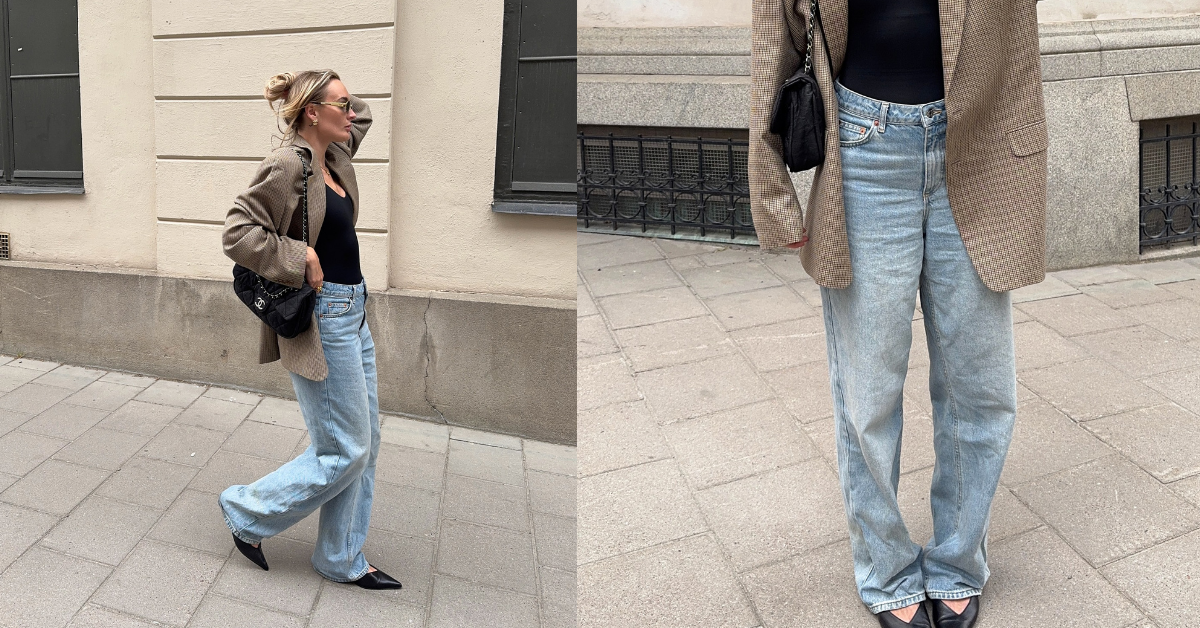
Designer can look either quietly expensive or accidentally loud, and the difference is usually not the item. It’s the styling choices around it: proportion, texture, color, and how many “statement signals” you stack at once.
If you want the designer benefit (better cut, nicer materials, that polished feeling) without the billboard effect, you’re basically aiming for one thing: let one piece lead, and make everything else act like a supporting cast.
Below is a practical framework you can use whether you own one designer item or a whole wardrobe of it.
Quick takeaways
- Keep one “high-signal” piece per outfit (logo, hardware, monogram, or a very recognizable silhouette).
- Make the rest quiet basics in solid colors and matte textures.
- Use distance to your advantage: subtle logos read quieter when they’re not centered on your chest.
- Pair shiny designer hardware with matte fabrics (denim, cotton, wool) to dial it down.
- Choose one metal tone (all gold or all silver) so nothing screams for attention.
- Fit matters more than brand. A perfectly fitting basic looks more “luxury” than a designer piece fighting your body.
If you only do one thing: wear your designer item with something boring and clean. It sounds too simple, but it works.
The decision framework
Ask yourself which type of “flashy” you’re avoiding. It’s usually one of these:
1) You want designer, but not obvious branding
Do: prioritize materials, cut, and texture
Avoid: repeating logos, big hardware, and monogram-on-monogram
2) You like the logo, but you want it to look intentional
Do: keep the logo small and off-center (bag clasp, belt buckle, subtle embroidery)
Avoid: mixing multiple brands in one look
3) You want to look polished, not “trying”
Do: build a uniform and repeat it
Avoid: too many trend items at once (that’s when designer starts to look like costume)
I usually tell people to stop chasing variety here. One reliable “default outfit formula” does more than ten experimental outfits you don’t feel like yourself in.
The “one-loud-thing” rule
This is the easiest guideline that covers 90 percent of outfits.
A “loud thing” can be:
- a big logo
- obvious monogram
- heavy hardware
- a super recognizable silhouette (think classic flap shapes or certain sneaker profiles)
- loud color or high shine
Pick one. Everything else goes quiet.
Examples:
- Logo belt + plain jeans + crisp tee + simple loafers
- Monogram bag + all-black outfit + minimal jewelry
- Statement designer shoes + neutral outfit + no other branding
Common mistake: “It’s all neutral, so I can add more.”
Neutral doesn’t cancel out multiple signals. It can actually highlight them.
Step-by-step: how to build a quiet designer outfit
Step 1: Start with a boring base
Your base should be visually calm:
- solid color knit
- straight-leg jeans
- simple trousers
- clean white or black tee
- a plain coat
Think “blank canvas.”
Step 2: Add one designer anchor
Choose one:
- bag
- shoes
- belt
- coat
- watch
If the anchor is logo-heavy, keep everything else logo-free.
Step 3: Match texture, not labels
Quiet luxury reads as texture and structure:
- wool with leather
- denim with cashmere
- cotton poplin with a structured bag
- matte knit with polished shoes
If your designer piece is shiny or high-contrast, balance it with matte fabrics.
Step 4: Control contrast
High contrast is what makes outfits read louder.
To soften contrast:
- keep shoes close to pant color
- choose a bag in a similar tone as your outerwear
- avoid sharp black-and-white combos if you want “soft quiet” instead of “editorial loud”
Step 5: Edit your accessories
Accessories are where “not flashy” is won or lost.
Rules that help:
- one metal tone (gold or silver)
- one statement jewelry piece, max
- avoid stacking statement sunglasses + statement bag + statement shoes
This is optional. Skip it if accessories are your joy. Just accept the trade-off: more accessories almost always reads more styled, which can look louder even when it’s expensive.
What to do if your piece is logo-heavy
Sometimes you love the item and it’s unavoidably branded. Fine. Make it feel grounded.
Make it casual on purpose
Logos feel louder when everything else is polished.
Try:
- monogram bag with jeans and a plain sweater
- logo sneakers with simple trousers and a tee
- designer scarf with a basic coat and no other “extras”
Put the logo in the background
Ways to reduce attention:
- wear it lower (bag at hip, belt under a longer top)
- choose outerwear that visually leads (a great coat “absorbs” attention)
- keep hair and makeup soft and simple
Avoid “matching sets”
Big logo + matching logo shoes + matching logo belt is where it starts to look like a uniform for someone else’s brand.
No judgment, it’s just a different vibe.
The biggest styling mistakes (and quick fixes)
- Too many recognizable items at once
Fix: keep one hero piece, everything else plain. - Overly perfect coordination (matching bag, shoes, belt exactly)
Fix: keep colors in the same family, but not identical. - High-shine stacking (patent shoes + shiny bag + glossy jacket)
Fix: pick one shiny element, make the rest matte. - Fit issues (pulling buttons, tight shoulders, dragging hems)
Fix: tailor basics. Tailoring is the quiet flex. - Trendy plus designer plus heavy makeup plus statement hair
Fix: remove one “signal.” Keep the outfit or the styling, not both.
This won’t work if you genuinely love bold fashion and you’re trying to force yourself into “quiet” because of someone else’s opinion. You’ll look uncomfortable, which reads louder than a logo.
Outfit formulas that always look expensive, not flashy
Formula 1: Clean denim + knit + designer bag
- straight-leg jeans
- fine knit sweater
- structured bag
- minimal jewelry
Formula 2: All-black base + one luxury detail
- black tee or turtleneck
- black trousers
- standout shoes or bag
- one metal tone
Formula 3: “Good coat” strategy
- basic outfit underneath
- elevated outerwear (wool coat, trench, leather jacket)
- simple bag/shoes
Formula 4: Tailored trousers + plain tee + designer belt
- trousers with clean drape
- tucked tee
- belt with minimal hardware
- loafers or sleek sneakers
Formula 5: Dress down the fancy piece
- a designer heel with relaxed denim
- a silk designer scarf with a plain sweatshirt
- a structured bag with a simple knit set
Variations by lifestyle
If you’re a minimalist
Pick one brand lane and stick with it. For example, if you love understated lines like The Row, Bottega Veneta, or Loewe, your outfits will naturally read quieter because the designs are less logo-forward.
If you love iconic heritage pieces
If you’re wearing something instantly recognizable from Chanel or Hermès, keep the rest very plain. Icons carry their own weight.
If you wear lots of color
Do monochrome or tonal outfits and let the designer piece blend into the palette. Loud branding plus loud color is a hard combo to soften.
If you’re often in casual outfits
Lean into “nice casual” instead of trying to make everything dressy:
- clean sneakers
- good denim
- structured bag
- neat hair
That mix looks effortless and not try-hard.
If you’re in a corporate setting
Use designer as a detail, not the headline:
- subtle belt
- classic pumps
- structured tote
Avoid big logos on chest or repeating patterns.
The honest trade-off
If you want to wear obvious branding, you’ll get recognition. If you want to look quieter, you’ll get fewer compliments from strangers and more “you look really put together” from people who pay attention.
There’s no perfect solution here. It’s just choosing the kind of signal you actually want.
FAQ
Can you mix designer brands without looking flashy?
Yes. Keep the shapes simple and avoid stacking logos. A bag from Louis Vuitton plus shoes from Gucci can look great if only one item is visually loud.
What’s the easiest way to make a logo item look quieter?
Pair it with matte basics and minimal accessories. Also, don’t “frame” it with other statement pieces.
Do neutral colors always look more expensive?
Not always. Neutrals help, but fit and fabric matter more. A cheap fabric in beige still reads cheap.
How do you style monogram bags without looking too branded?
Keep the rest of your outfit clean and non-patterned. Avoid loud belts and logo sneakers at the same time.
Is it better to invest in bags or shoes for a quiet look?
Shoes often read quieter because they’re further from the face and less in-your-face than a logo bag.
What if your designer piece has gold hardware and you usually wear silver jewelry?
Either choose one metal for the day, or keep jewelry minimal so the mix looks intentional.
Can streetwear look “quiet luxury”?
Yes, but it becomes “elevated casual” more than classic quiet luxury. Clean lines, good fit, minimal graphics.
Just a little note - some of the links on here may be affiliate links, which means I might earn a small commission if you decide to shop through them (at no extra cost to you!). I only post content which I'm truly enthusiastic about and would suggest to others.
And as you know, I seriously love seeing your takes on the looks and ideas on here - that means the world to me! If you recreate something, please share it here in the comments or feel free to send me a pic. I'm always excited to meet y'all! ✨🤍
Xoxo Dana