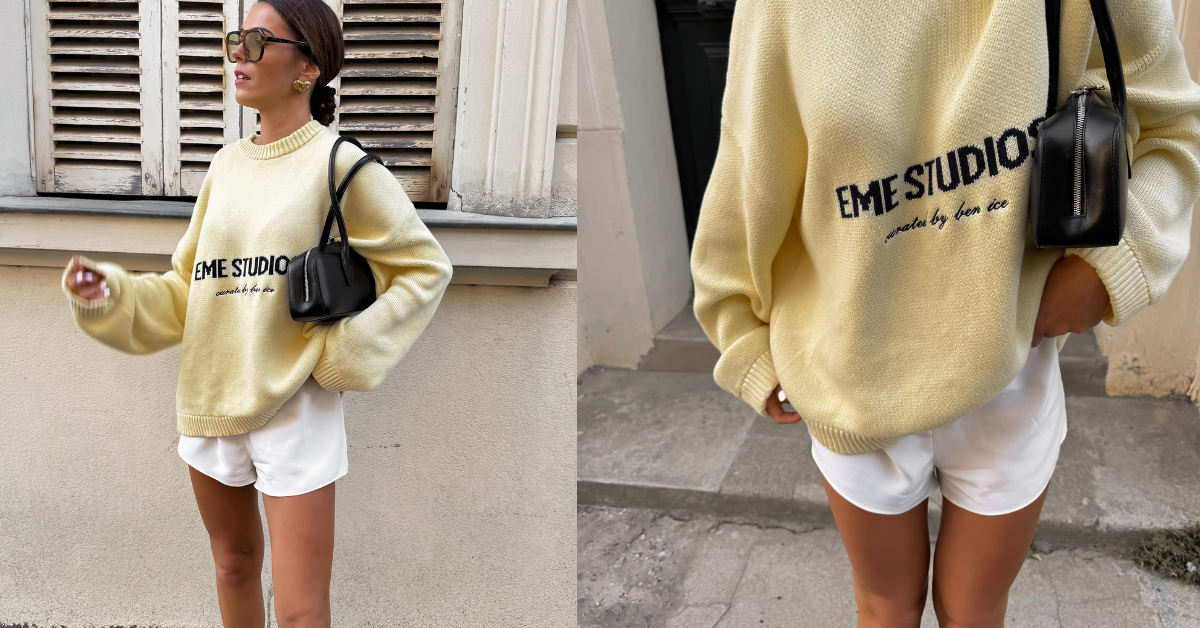
Most “I have nothing to wear” moments are not actually about lacking clothes. They’re about friction: your wardrobe is set up for last season’s weather, last season’s shoes, and last season’s default outfits. So everything feels slightly wrong, and you blame the closet.
The Seasonal Switch Method fixes that by treating your wardrobe like a small store that changes displays. You’re not buying new inventory. You’re rearranging what’s already there so the right things are visible, paired, and ready.
It’s simple, but it works because it’s practical: when your wardrobe is season-aligned, you stop reaching for the same two tired outfits and start seeing new combinations you already own.
This won’t work if you genuinely hate editing. If you want every item accessible all year, you can still do the method, but it’ll feel less dramatic. The magic is in temporarily putting some things away.
Quick answer for skimmers
- You refresh outfits without shopping by switching your wardrobe in 3 layers: what’s visible, what’s paired, what’s finished.
- The method takes 60 to 90 minutes once per season, then 10 minutes weekly.
- The core moves:
- Edit your rails (make the season’s “A team” easy to grab)
- Rebuild 3 outfit formulas for the new weather
- Change your finishing pieces (shoes, bag, outerwear, accessories)
- You don’t need more clothes. You need fewer decisions in the morning.
If you only do one thing: pre-make 10 outfits on hangers (or in a notes app) for the next two weeks. The feeling of “new” comes from saved combos, not new items.
The Seasonal Switch Method in one sentence
Store away the off-season, bring forward the right layers, then rebuild your outfit formulas around the new temperature and your real schedule.
Think of it as:
Edit → Re-pair → Finish
Step 1: Edit what’s visible (your season’s A team)
This is the part everyone skips, and it’s why nothing changes.
The rule
If it’s not visible, it’s basically not in your wardrobe. So your first “refresh” is simply changing what you see first.
What to pull forward (the “A team”)
Pick 25 to 40 items total that match the next 6 to 8 weeks of weather and your life:
- 6–10 tops
- 4–6 bottoms
- 2–3 layers (knitwear, overshirts, cardigans)
- 1–2 outerwear pieces
- 2–3 dresses or one-and-dones (optional)
- 2 pairs of shoes you actually wear
- 1 bag you like using
This is optional. Skip it if you love a big wardrobe moment every morning. But if you’re busy, a smaller “front rail” is the fastest way to feel refreshed without buying anything.
What to store away
- The pieces you will not realistically wear in the next month (heavy knits in heat, linen in freezing rain, etc.)
- Anything that requires “special behavior” (itchy, slips, constant adjusting) unless you have a clear event to wear it
Where to store: a box, a suitcase, under-bed bags, or just the top shelf. The goal is not perfection. The goal is visual calm.
A small human truth: I usually tell people to stop keeping everything within arm’s reach “just in case.” “Just in case” is how you end up wearing the same black leggings while your good clothes sit untouched.
Step 2: Re-pair your clothes into 3 seasonal outfit formulas
This is where the refresh actually happens. You’re not looking for infinite outfits. You’re building repeatable formulas that work for that season’s temperature swings.
Your 3 formulas should match your real week
Pick three that reflect your life. Here are the most universal options:
- Easy weekday uniform
- Comfortable polished outfit
- Weekend casual that still looks intentional
Then build each formula with 2 to 3 variations.
Example formulas you can steal
Spring formula: “Light layers + clean base”
- Base: tee or tank + straight-leg jean
- Layer: trench, blazer, or lightweight knit
- Shoe: loafer, sneaker, ankle boot depending on rain
Variations:
- swap tee for a knit top
- swap denim for a trouser
- swap trench for denim jacket
Summer formula: “One-and-done + simple shoe”
- Linen or cotton dress, or a matching set
- Minimal sandal or sleek sneaker
- Bag that doesn’t feel heavy
Variations:
- shirt dress + belt
- tank + wide-leg pant
- maxi skirt + fitted tee
Fall formula: “Texture + structure”
- Base: knit + trouser/jean
- Layer: blazer, leather jacket, wool overshirt
- Shoe: boot or loafer
Variations:
- knit + skirt + boots
- tee + cardigan + trouser
- dress + tights + blazer
Winter formula: “Warm base + strong coat”
- Base: thermal layer + knit
- Bottom: wool trouser or dark denim
- Coat: long coat, puffer, or parka
- Shoe: weather-proof boot
Variations:
- swap knit for turtleneck
- swap trouser for skirt with tights
- swap coat for puffer on rough weather days
The key: a “new” outfit feeling often comes from one switch: changing the bottom silhouette, or changing the outer layer, not buying a new top.
Step 3: Refresh with finishing pieces (the no-shopping upgrade)
You can change the entire read of your wardrobe by changing what finishes the outfit. This is the most overlooked move.
The 5 finishers that make old outfits feel new
- Shoes
- Outerwear
- Belt
- Bag
- Jewelry or scarf
Pick just two finishers to rotate per season and you’ll feel like you have new outfits.
Easy finishing swaps by season
Spring
- trench or light coat instead of heavy coat
- loafers instead of boots
- a scarf tied at the neck or on the bag
Summer
- sandals that feel clean and minimal
- straw or canvas bag
- simple jewelry that stays on
Fall
- boots instead of sneakers
- richer tones (brown, burgundy, deep navy)
- textured outerwear (suede, wool, leather)
Winter
- coat upgrade (even if it’s old, it’s the headline)
- gloves, hat, scarf that match your palette
- boots you trust in weather
Trade-off with no solution: seasonal accessories take up storage space. If you live small, you’ll have to choose: variety or a calmer home. There’s no magic hack for that.
Step 4: Build a mini “seasonal capsule” from what you own
This is not a full capsule wardrobe. It’s a temporary capsule that makes dressing easier for the next 4 to 8 weeks.
The seasonal capsule checklist
Choose:
- 2 neutrals you love (black + cream, navy + tan, charcoal + white)
- 1 accent color (optional)
- 2 repeating silhouettes (example: straight jeans + wide-leg trouser, or midi skirt + denim)
Then pick pieces that match those.
A fast way to do it
Pull out 12 items and see if they make 20 outfits.
If you can’t make 20 outfits, don’t buy something. Adjust the 12 items.
Step 5: Do a “one-hour wardrobe reset” once per month
This is what keeps the refresh going without shopping.
The monthly reset
- Put away anything you didn’t wear once
- Hang up 5 outfits you want to repeat
- Rotate one finisher (shoe or outerwear)
- Make one “nice” outfit for the week ahead
If your mornings are unpredictable, some of this prep simply won’t stick, and that’s fine. The goal isn’t perfection, it’s fewer annoying mornings.
5 common mistakes that keep outfits feeling stale
1) You only change tops
Tops are not the main “newness” lever.
Fix: change the bottom silhouette or the outer layer first.
2) You keep wearing the same shoes
Shoes determine the vibe.
Fix: pick two seasonal shoes and rotate them intentionally.
3) Everything is visible all the time
Too many options creates decision fatigue.
Fix: store away off-season and create a front-rail.
4) You don’t have outfit formulas
Without formulas, you build outfits from scratch every day.
Fix: write down three formulas and stick to them for two weeks.
5) You skip the finishing step
Outfits feel incomplete, so you default to the same safe look.
Fix: add one finisher by default (belt, earrings, scarf, watch).
Outfit refresh ideas that cost nothing
Try one of these this week:
- Wear your “fancy” blazer with your most casual jeans
- Swap sneakers for loafers with the same outfit
- Put a turtleneck under a summer dress in fall
- Button your shirt differently (half tuck, full tuck, tied)
- Switch your bag from large to small (or small to large)
- Wear monochrome using only pieces you already own
The goal is contrast: casual with polished, soft with structured, simple base with strong outer layer.
Variations: tailor the method to your lifestyle
If you hate storing clothes
Do a “front rail” only:
- keep everything accessible
- but move 25 to 40 season-right items to the most visible section
If you’re a minimalist
Do a true 30-piece seasonal capsule and repeat it.
Your refresh comes from:
- changing finishers
- changing layering
- changing proportions
If you love trends but don’t want to shop
Treat trends like styling, not buying:
- try a new tuck style
- change proportions (cropped jacket with wide-leg trouser)
- wear a “wrong shoe” intentionally (dress + sneaker, suit trouser + sandal)
If you’re short on time
Do the 20-minute version:
- pick 10 pieces you want to wear this month
- make 10 outfits on hangers
- put everything else out of sight
That’s it.
FAQ
How often should I do the Seasonal Switch Method?
Ideally 4 times a year, with a mini reset monthly. But even twice a year (spring and fall) makes a big difference.
What if my climate doesn’t have clear seasons?
Switch by temperature bands:
- hot weather capsule
- mild weather capsule
- cold weather capsule
Even small shifts (rainy month, windy month) benefit from a reset.
How do I refresh outfits if I feel bored with my clothes?
Start with finishers and formulas. Boredom is often styling fatigue, not wardrobe failure.
What if I have lots of statement pieces?
Build a base capsule, then add 1 statement piece per outfit. Statement on statement is what gets exhausting.
What if I truly don’t have enough basics?
Before buying basics, do a two-week test: track what you tried to wear but couldn’t make work. Then you’ll know what gap is real, not imaginary.
Will this make me look repetitive?
Yes, a bit. And that’s not a problem. Most stylish people repeat outfits and just vary small details. Repetition is actually what makes a wardrobe look cohesive.
A simple seasonal switch checklist you can screenshot
Once per season (60–90 minutes)
- Store off-season items out of sight
- Pull forward 25–40 season-right items
- Choose 3 outfit formulas for this season
- Pre-make 10 outfits
- Pick 2 finishers to rotate (shoes, outerwear, accessories)
Weekly (10 minutes)
- Plan 5 outfits
- Put 1 “nice” outfit on a hanger
- Reset shoes and bag
- Put away what you didn’t wear
Just a little note - some of the links on here may be affiliate links, which means I might earn a small commission if you decide to shop through them (at no extra cost to you!). I only post content which I'm truly enthusiastic about and would suggest to others.
And as you know, I seriously love seeing your takes on the looks and ideas on here - that means the world to me! If you recreate something, please share it here in the comments or feel free to send me a pic. I'm always excited to meet y'all! ✨🤍
Xoxo Dana