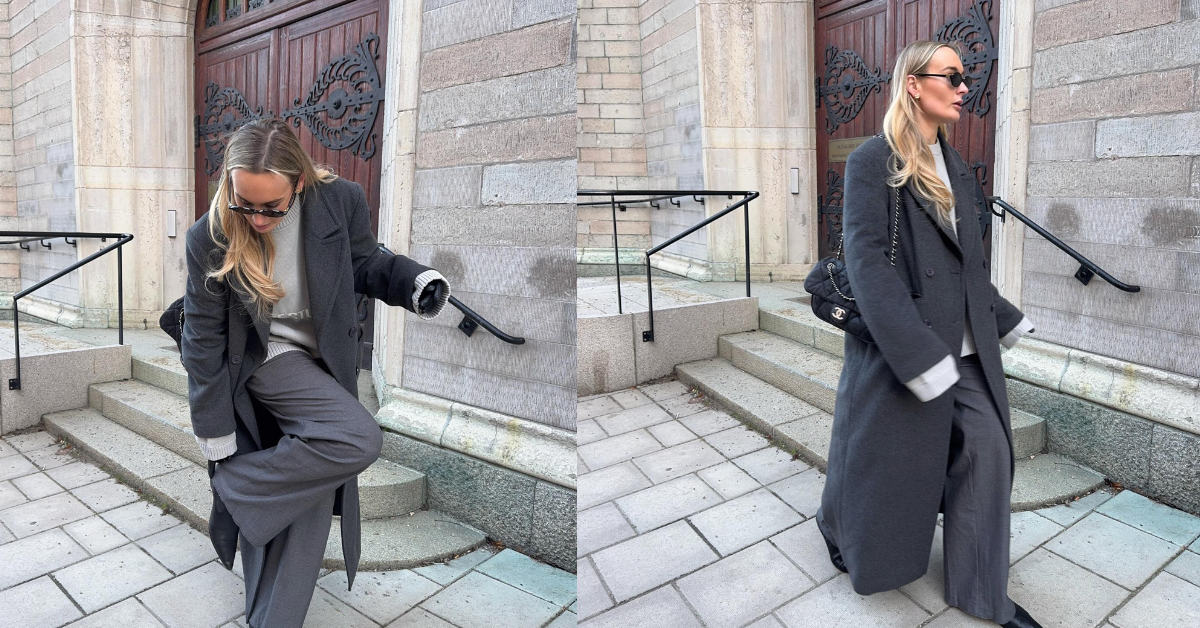
First, a mindset shift that saves you money: “designer” does not automatically mean timeless, and “trend” does not automatically mean waste. Timelessness is about staying wearable and relevant across years, and that comes from a mix of design, quality, and how you actually live. Trends are just faster-moving ideas, and some are genuinely fun and worth buying when you treat them like a short-term fling.
Also, trend cycles really have sped up. Business of Fashion has described peak-era microtrends as lasting “a month or two” for virality. That pace changes how you should shop.
Below is a practical way to tell what you’re looking at before you spend.
Quick “tell” in one sentence
- A timeless piece still looks intentional when the trend words disappear and you wear it with basics.
- A trend piece looks great only when styled inside the trend ecosystem (specific shoes, styling, silhouette, and “the vibe”).
If you only do one thing: picture the item in 3 outfits you already wear, in 2 different seasons, without buying anything else. If that’s hard, it’s probably trend-first.
The 3-part test: Design, Build, and Context
1) Design test: would it survive without the trend styling?
Timeless pieces tend to have:
- clean or classic lines
- balanced proportions
- low “novelty” details (nothing that screams a specific year)
- a color you can repeat often
Trend pieces tend to have:
- a very specific silhouette (extreme low-rise, ultra-micro length, hyper-oversized in a very “right now” way)
- highly recognizable trend details (rosettes, bows everywhere, cut-outs in a very particular placement, viral prints)
- hardware or logos that are the point
A good cheat: if the item is basically “the detail,” it’s trend. If the item would still work with the detail removed, it’s closer to timeless.
2) Build test: will it still look good after 30 wears?
Timeless purchases usually pay off because they’re worn a lot. That only works if the item holds up:
- fabric that doesn’t pill, warp, or lose shape quickly
- seams that lie flat
- hardware that doesn’t tarnish instantly
- a finish that looks better with gentle wear (good leather, sturdy denim, quality wool)
This is where designer can help, but it’s not guaranteed. Some luxury items are fashion objects first, daily-wear items second.
3) Context test: does your life support it?
This is the one people skip.
A piece can be timeless “in theory” and still wrong for you.
- If you commute by bike, delicate shoes are not timeless. They’re occasional.
- If your office is casual, a very structured suit might sit unused.
- If you hate dry-clean-only, a dry-clean-only “investment” can turn into closet decor.
This won’t work if you’re trying to buy a fantasy self. The timeless piece becomes timeless only if it gets worn.
The “Timeless vs Trend” scorecard (10 questions)
Give each question a quick score:
- 2 = yes
- 1 = maybe
- 0 = no
1) Could this have existed 10 years ago and still look normal?
2) Would I wear it even if TikTok stopped talking about it?
3) Does it work with at least 3 items I already own?
4) Can it be styled casually and dressed up?
5) Is the silhouette moderate (not extreme) for my body and comfort?
6) Is the material and construction strong enough for frequent wear?
7) Is the color easy to repeat, or does it clash with my closet?
8) Do I like it in bad lighting and on normal days (not just “going out”)?
9) Is it comfortable enough that I won’t resent it?
10) If it loses resale value, will I still be happy keeping it?
Interpretation
- 16 to 20: likely timeless for you
- 10 to 15: versatile but watch the trend hooks
- 0 to 9: trend piece, buy it only if you’re OK with short lifespan
Resale can be a reality check for what the market treats as “keeps.” Platforms like The RealReal publish annual resale reporting and data-backed trend tracking, which can help you sanity-check what actually holds attention and value over time.
How to spot “timeless designer” specifically
The best timeless designer buys are usually “brand DNA,” not “runway moment”
Timeless designer items often come from a house’s long-running codes:
- classic shapes a brand repeats (bags, coats, shoes)
- consistent materials (a signature leather, a known tweed, a known tailoring style)
- designs that return season after season with small tweaks
Vogue’s capsule-wardrobe coverage is a useful clue here because it repeatedly centers foundational pieces that get re-worn across seasons, not one-season statements.
Look for “quiet durability” details
These are boring, but they’re what you notice after a year:
- a strap that doesn’t dig
- a zipper that doesn’t snag
- lining that doesn’t tear
- leather edges finished cleanly
- soles that can be repaired
A quick reality check: “investment” is not the same as “good buy”
Some designer pieces do hold value, especially in categories like handbags, jewelry, and watches, but “holds value” depends on model, rarity, condition, and demand. Resale-focused reporting regularly highlights that a subset of brands and classic models tend to retain value better than the rest.
If you’re buying to wear (not collect), the better question is:
Will this still look good after real life happens to it?
How to spot trend pieces (even when they’re designer)
The “microtrend tells”
- extreme proportion (ultra-cropped, ultra-low-rise, extreme platform)
- novelty textures that photograph well but wear poorly
- viral aesthetic labels attached to the item (“mob wife,” “coastal granddaughter,” “tomato girl,” etc.)
BoF’s reporting on viral trend cycles is useful context: when a trend can peak and fade in weeks to a couple months, “buying in” at full price is usually the worst timing.
The “you need the full outfit” warning
If an item needs specific companion pieces to make sense, it’s trend-heavy:
- the shoe only works with one hem length
- the bag only works with one aesthetic
- the jacket only looks right with one silhouette
That’s not bad. It just tells you how to budget for it.
The most common shopping mistakes (and what to do instead)
Mistake 1: Thinking neutrals automatically equal timeless
A beige item can be extremely trend-driven if the shape is hyper-specific.
Fix: prioritize silhouette + fabric over color.
Mistake 2: Buying “timeless” but uncomfortable
If you don’t wear it, it’s not timeless. It’s just expensive.
Fix: choose the version you’ll actually reach for.
Mistake 3: Paying designer prices for trend-level construction
Not all luxury quality is equal, and not all categories are worth it.
Fix: spend more where build matters most (outerwear, shoes, bags) and be choosier elsewhere.
Mistake 4: Confusing “rare” with “useful”
Archival and collectible fashion can be exciting, but collectibility is its own category. Harper’s Bazaar has noted the rise of archival fashion as an “investment” conversation, which is different from building a wearable wardrobe.
Fix: separate your “collector brain” from your “daily wear brain.”
A practical buying framework that actually works
Step 1: Decide the job
Pick one:
- daily workhorse
- special-occasion hero
- layering foundation
- statement fun
A trend piece can be perfect as “statement fun.” It’s only a problem when you expect it to be a daily workhorse.
Step 2: Choose your risk level (and price accordingly)
- Low risk (timeless): pay more, expect years of wear
- Medium risk (hybrid): buy secondhand or on sale if possible
- High risk (trend): keep it cheaper or accept it as a short-term purchase
This is where resale research can help. Reports from resale platforms and consulting research on secondhand markets emphasize durable, collectible categories and increasing demand for authenticated higher-ticket items.
Step 3: Use cost-per-wear, but don’t let it guilt you
Cost-per-wear is a useful idea, but it’s not a moral scoreboard. If you buy a trend piece and wear it 15 times with joy, that can still be a win.
This is optional. Skip it if you find cost-per-wear makes you anxious or overly “optimization-brained.”
Examples that make the difference obvious
Timeless (usually)
- a well-cut wool coat in a classic length
- straight-leg or gently wide-leg trousers with good drape
- a simple leather belt and classic boots
- a structured everyday bag shape in a neutral
These are exactly the kind of foundations you see repeated in capsule wardrobe guidance.
Trend (usually)
- hyper-specific denim rises and washes tied to a moment
- novelty tops with very specific cutouts or “viral” details
- shoes with extreme proportions that look dated fast
- bags whose main feature is a loud new shape or very loud branding
Hybrid (often the sweet spot)
- a classic item with one modern tweak (slightly wider leg trouser, slightly boxier blazer)
- a classic bag in a seasonal color
- a classic coat in a trend texture (like suede) if you know you’ll wear it
This is the category I’d personally shop most, because it feels current without being disposable.
One clear trade-off (with no perfect fix)
If you only buy timeless pieces, you can end up looking a little “frozen” or like you’re dressing for an older version of fashion.
If you buy too many trend pieces, you can end up constantly replacing your wardrobe.
There isn’t a perfect solution. Most people do best with a timeless base + a controlled amount of trend.
FAQ
Is “quiet luxury” timeless?
Not automatically. The idea can point you toward minimal, well-made pieces, but quiet luxury has also been a trend wave with its own tells. BoF’s trend-cycle coverage is a good reminder that even “anti-trend” aesthetics can trend.
Are logo items timeless?
Some iconic logos and models can be long-running, but heavy logo signaling often ties an item to a specific era. If you love it, buy it. Just treat it as style, not “neutral.”
How do I use resale to judge timelessness?
Look at what consistently stays in demand, and what gets re-listed constantly at steep discounts. Annual resale reporting can show where demand clusters.
What categories are safest to buy timeless?
Outerwear, shoes, and bags tend to show quality differences more clearly, and they anchor outfits.
When should I buy trend pieces?
When the trend aligns with your personal style and lifestyle, and you’d still like it even if it stopped being “a thing.”
Just a little note - some of the links on here may be affiliate links, which means I might earn a small commission if you decide to shop through them (at no extra cost to you!). I only post content which I'm truly enthusiastic about and would suggest to others.
And as you know, I seriously love seeing your takes on the looks and ideas on here - that means the world to me! If you recreate something, please share it here in the comments or feel free to send me a pic. I'm always excited to meet y'all! ✨🤍
Xoxo Dana